
Building
Permafrost base building and shelters: restore abandoned shelters, claim checkpoints, heating, storage and build bases that survive the worst blizzards.
Introduction
Base building in Permafrost is less about free-form construction and more about restoring and connecting a network of safe houses. The world is a frozen wasteland full of abandoned shelters, broken machines and lost technology, and your job as Rook is to bring those places back to life: repair walls and doors, add a bed and a fire, stock storage and push a heating system as far as your gear allows. The Building category covers the full loop - where to build, what to build first, how heating and storage work, how checkpoints and outposts extend your travel range, and how to design bases that survive blizzards. A good shelter network is the backbone of long-term survival, and this category shows you how to build one.
Base Building Priorities
| Priority | What to Do | Why It Matters |
|---|---|---|
| Claim a shelter | Repair walls, door and fire | Cheap warmth and a safe respawn point |
| Bed and campfire | Place early, upgrade later | Sleep recovery is the anchor of survival |
| Storage boxes | Stockpile wood, stone, food, meds | Expeditions start from a stocked base |
| Heating | Stove and fireplace upgrades | Survive blizzards and cold nights |
| Outposts | Checkpoints between shelters | Long trips always end near warmth |
Base Priorities
Shelter Claiming
Repairing is cheaper and faster than building from scratch, and it keeps your base network growing as the story leads you
Heating
Stoves and fireplaces keep interiors livable through storms and make cold regions feel like home
Storage Network
Why stockpiles matter more than base size - bank every resource before the trip back
Fortification
Walls and doors matter for more than weather - they slow hostiles trying to grab your supplies
Outposts
Checkpoints that turn long trips into short hops and give every route a warm fallback
Core Mechanics
Building in Permafrost is exploration-gated. You do not start with a free blueprint for every wall and furnace; instead you reclaim abandoned structures and unlock new building parts and heating tech as you explore. Repairing a shelter is far cheaper than raising one from scratch, which pushes you toward claiming existing ruins and connecting them into a network. Within a base, the core systems are warmth, storage and protection: a bed lets you skip dangerous nights, a fire or stove keeps the interior livable, storage boxes protect your stockpile, and walls and doors block weather and hostile factions. Checkpoints and outposts extend your reach - every long expedition should end somewhere you can sleep, eat and repair.
Advantages
A well-planned base network multiplies everything else you do in Permafrost. With warm shelters every few hundred meters, you can extend expeditions later into the day, carry less food and firewood, and retreat to safety the moment a blizzard hits. Storage boxes mean resources are never wasted - you can hoard the exact materials you need for the next tier of gear. Heating upgrades let you live comfortably in colder regions, which unlocks the higher-tier loot that comes with them. Players who build smart die less: a shelter between biomes converts failed trips into recoverable situations, while a base with no outposts turns every long run into an all-or-nothing gamble.
Challenges
Base building in Permafrost is not a free-form creative sandbox like some survival games. You are working with a fixed set of building parts and reclaimed structures, so you cannot design fully custom castles everywhere. The exact building-part blueprints and their unlock order are still being mapped during Early Access, which means some guides here are based on what the community has confirmed at launch. Heating maths can also vary with weather balance patches. Finally, building consumes real time and resources: a shiny outpost is only worth it if you actually sleep there, so avoid building decoration you will never use in the middle of cold zones.
Frequently Asked Questions
Where is the best place to build my first base?+
How do I survive blizzards in my base?+
What are checkpoints for?+
Do hostile factions attack my base?+
Quick Tips
Restore existing shelters before building anything from scratch. Repairing walls, a door and a fire costs a fraction of new construction, so the smart play is to claim every intact ruin you find and connect them into a warm network rather than building a single expensive fortress. Use the repaired structures as your home base, outposts and checkpoints, and only build new walls or rooms when no suitable ruin exists nearby. That approach saves materials, time and risk, and it keeps your base network growing wherever the story leads you.
Stock storage boxes at your home base and every outpost you trust. A base without storage is just a place to die warmly - the real value is banking wood, stone, food, fuel and repairs so expeditions can start stocked instead of scrounging. Drop loot at outposts on the way home to extend your range safely.
Design for blizzards from day one: enclosed walls, a working stove or fireplace and enough stored fuel to ride out a storm. The worst mistake in building is creating a pretty base you cannot actually shelter in when the weather turns, because the cold cares about function, not decoration. Keep a full fuel stockpile indoors, make sure every room used for sleeping has a heat source, and test your shelter by waiting out one full storm inside before you trust it for long expeditions.
Featured
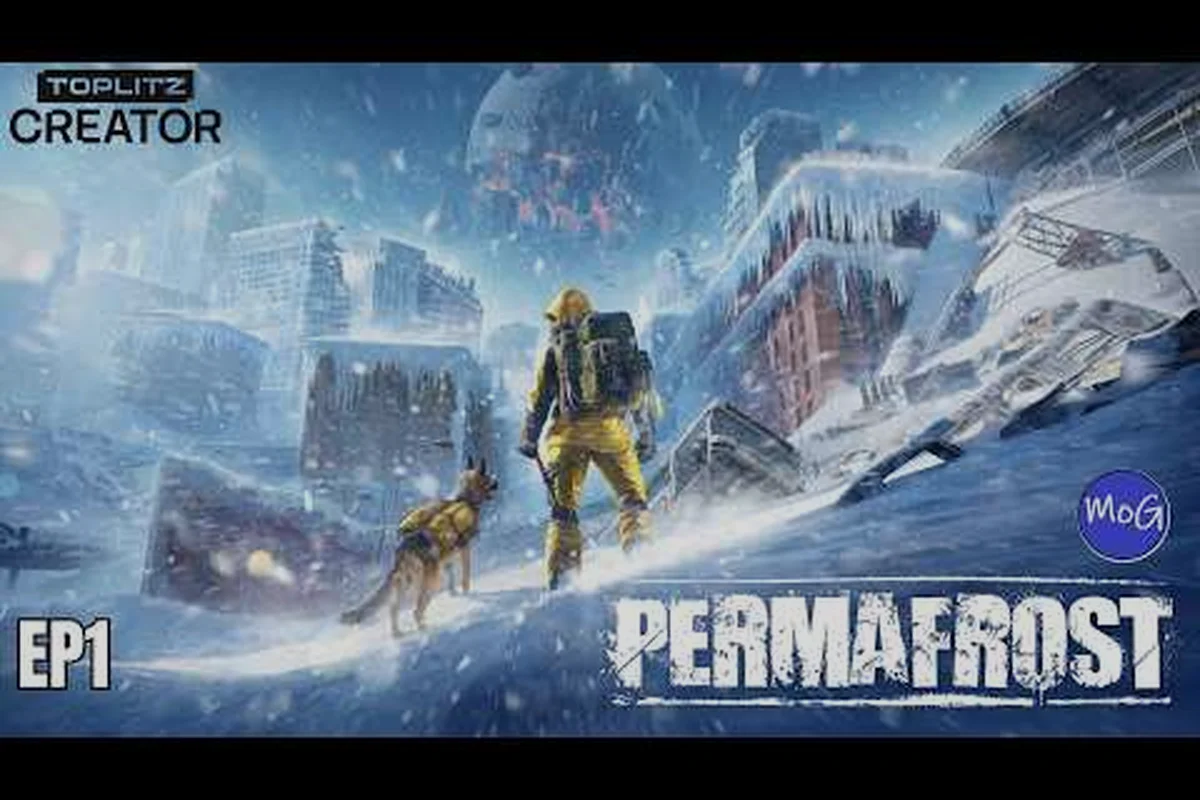
Permafrost Best Base Locations for Safe Shelter
Find the permafrost best base locations, from resource-rich valleys to defensible ruins, so you can build a home that keeps your Rook warm and stocked.
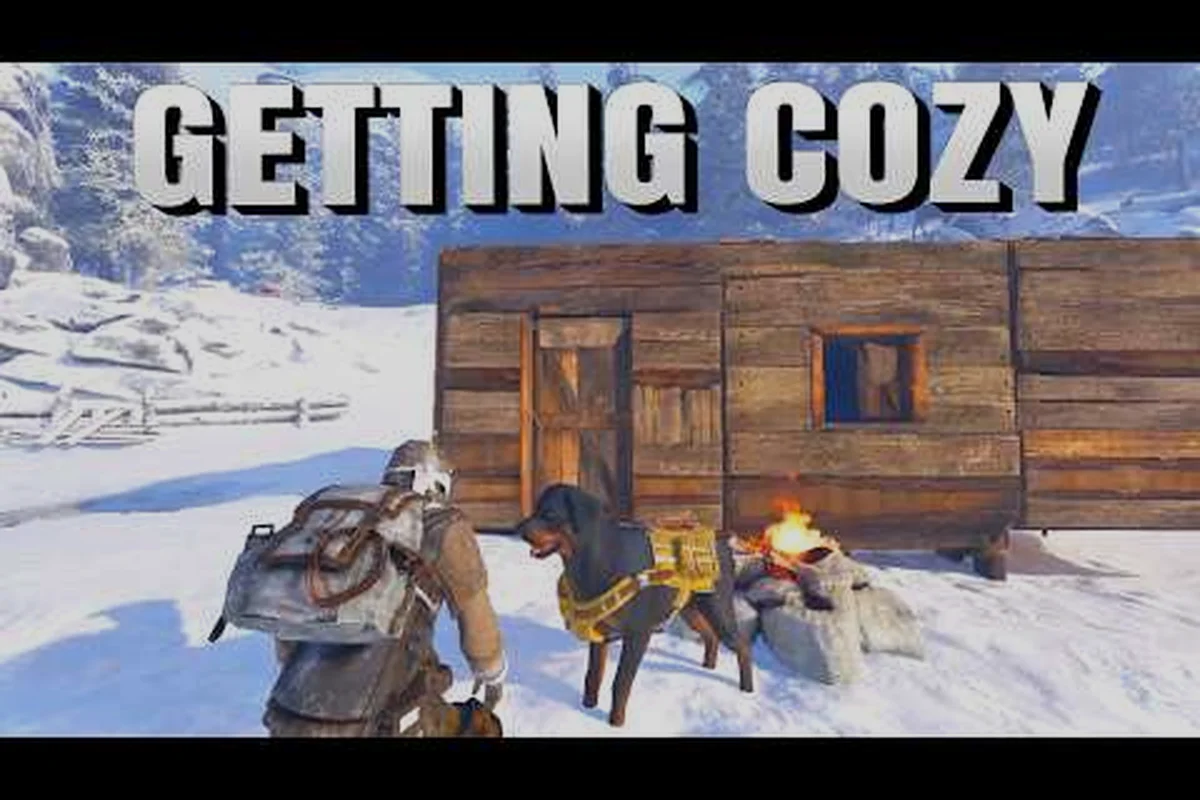
Permafrost Fireplace: Foundations, Doors, Windows
Build the permafrost fireplace your base needs, then add foundations, doors, and windows to create a cozy, defensible settlement in the snow.
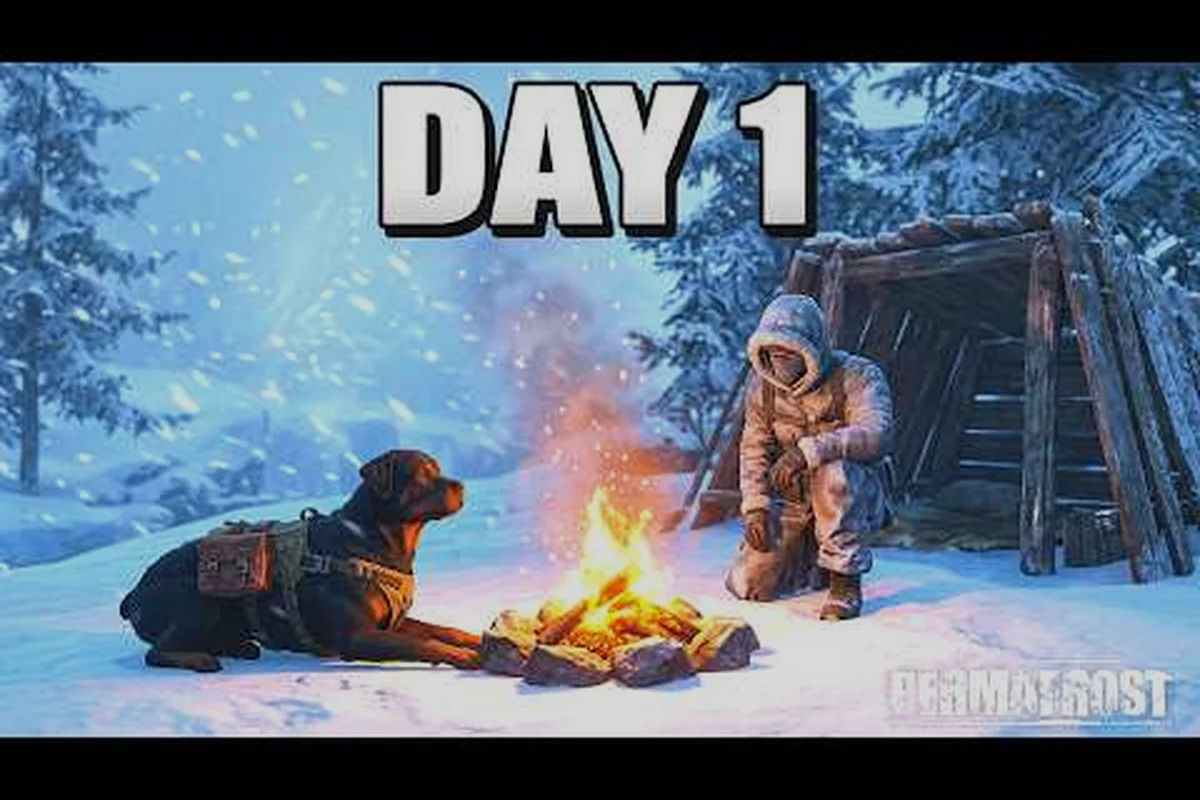
Permafrost Heating Guide: Warmth and Storage
Use this permafrost heating guide to master stoves, beds, and storage boxes, so your base stays warm and livable through the coldest nights.
All Articles

Permafrost Shelter Survival: Fortify and Repair
Master permafrost shelter survival with repair buildings, fortification, and checkpoint strategies that keep your Rook alive through every storm.
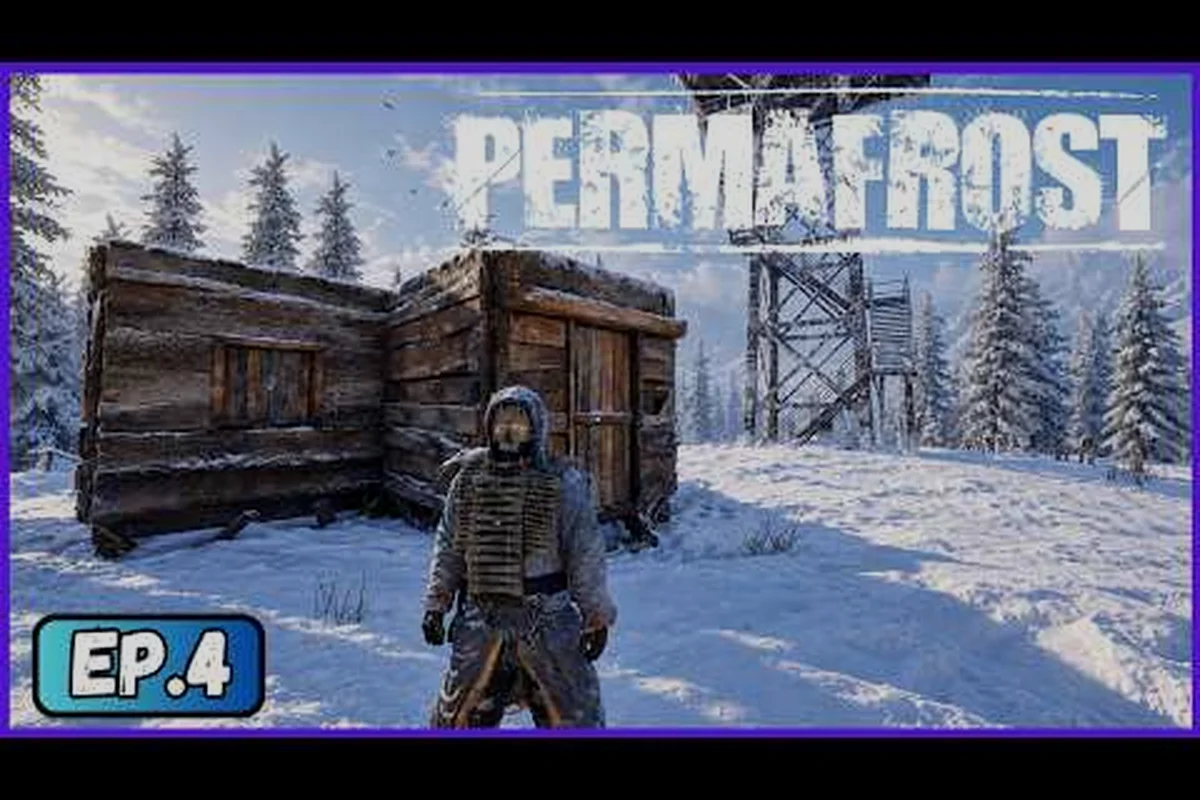
Permafrost Base Building: First Shelter Blueprint
Master permafrost base building from your first wall to a blizzard-proof shelter, so your Rook survives the endless winter without freezing in the dark.

Permafrost Repaired Shelters: Restore Old Camps
Learn how permafrost repaired shelters turn broken ruins into safe outposts, with wall building, camp setup, and base defense tips for the frozen wastes.
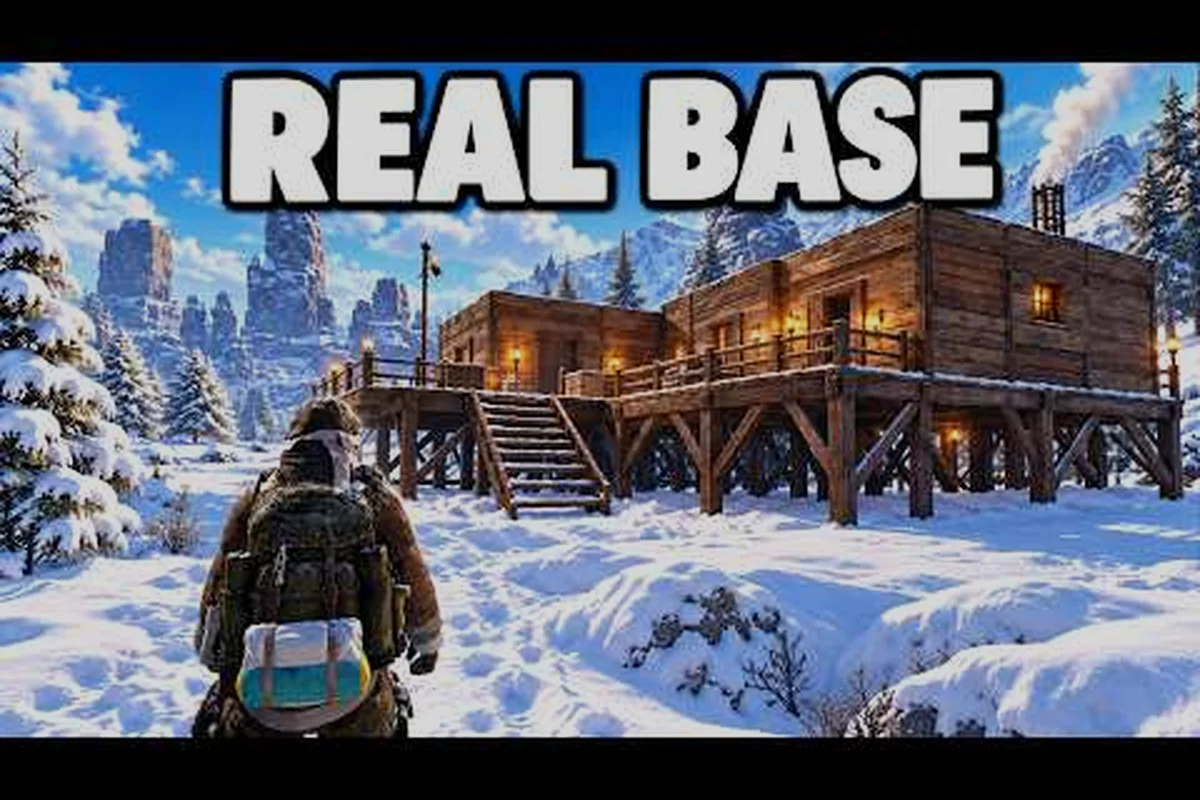
Permafrost Roof Guide: Build a Blizzard-Proof Base
Follow this permafrost roof guide to build a blizzard-proof base with sturdy roofs, smart snow placement, and tips for moving your shelter safely.