
Crafting
Permafrost crafting recipes and blueprint locations: tools, clothing and gear, materials you need and the order to craft for a fast and safe early game.
Introduction
Crafting in Permafrost is deliberately light — a clean menu, a handful of core recipes and a progression tied to blueprints you discover in the world rather than a sprawling tech tree. The Crafting category explains the whole system: how to collect the core materials (wood, stone, scrap, cloth, fiber, leather, fur, metal), where to find the most important blueprints, and what order to craft things for the fastest, safest start. You will learn that your first hour should be spent making a stone axe, then a shiv, then a campfire and a bed, and only later the winter clothing that lets you push into colder zones. Repair and durability also live here, because tools break and blueprints stay with you forever.
Crafting Priority Reference
| Item | Materials | When to Craft | Why It Matters |
|---|---|---|---|
| Stone Axe | Wood + Stone + Fiber | First hour | Gathering pace for everything else |
| Shiv | Scrap + Cloth | First hour | Defense and silent hunting |
| Campfire | Wood + Stone | First hour | Warmth and cooking anywhere |
| Bed | Wood + Cloth + Rope | Before night | Sleep to recover and survive night |
| Bow & Arrows | Wood + Scrap + Fiber | Early | Safe ranged hunting |
| Winter Clothing | Cloth + Fur + Leather | Cold zone gate | Raises cold resistance |
Core Crafts
Stone Axe
The first tool that makes gathering anything else possible
Shiv
Cheap, silent melee that keeps you safe without ammo
Bow and Arrows
The reliable early ranged option for hunting and defense
Campfire
Portable warmth that turns any stop into a rest point
Winter Clothing
The gear gate that decides which zones you can survive
Storage Box
The unglamorous craft that keeps your base stocked
Core Mechanics
Crafting in Permafrost is blueprint-driven: you cannot craft everything from the start, and you never buy recipes. Blueprints are physical discoveries scattered through the world — in abandoned buildings, caves, faction camps and story locations — and once collected they remain unlocked permanently, even across saves of the same character. The crafting menu then shows you every recipe you know along with its materials, letting you queue items at a workbench or crafting station. Materials come from scavenging and harvesting: wood and stone from the forest, scrap and metal from ruins, cloth and fiber from salvaged fabrics, leather and fur from animals. Durability matters — tools and weapons wear out and must be repaired at a station, which costs a fraction of their materials.
Advantages
Learning the crafting priority saves you hours of wasted scavenging. The biggest advantage is knowing what to gather from the very first minutes: if you know you need wood, stone, cloth and fiber before you leave the starting area, your first expedition is productive instead of random. Blueprint knowledge also removes guesswork — the Crafting category lists the locations and materials for the key early recipes so you are not wandering blindly looking for the winter clothing blueprint. And because blueprints stay unlocked forever, a good crafting plan carries you through the entire game: build the tools that unlock gathering, the clothing that unlocks cold zones and the storage that keeps your base stocked.
Challenges
The main uncertainty in crafting is blueprint locations during Early Access. The game launched in October 2026, and the community is still mapping where every blueprint spawns — some are quest-gated, some are in specific buildings, and a few may be randomized between runs. The material lists are stable, but the exact 'best' order can change if balance patches rebalance tool durability or clothing values. There is also an expectation gap to avoid: this is not a deep crafting sandbox with hundreds of recipes. Permafrost keeps its menu tight, so if you expect Factorio-style complexity, the crafting here will feel intentionally minimalist.
Frequently Asked Questions
Where do I get blueprints?+
What should I craft first?+
How do I repair tools?+
Can I lose crafting knowledge if I die?+
Quick Tips
Craft in the right order and the early game solves itself: stone axe for gathering, shiv for defense, campfire for warmth and cooking, then bed, bow and winter clothing. Each step unlocks the next, and skipping to high-tier items before the basics means you will be constantly short on materials.
Hunt blueprints deliberately instead of hoping to stumble on them. Abandoned cities, caves and story landmarks are the known hotspots, so plan a route that visits them. Because blueprints stay unlocked forever, every discovery is permanent progress even if the trip itself was cold and expensive. Prioritize the blueprints that unlock the biggest quality-of-life items - the bow, winter clothing and storage - and treat each planned route as a small expedition with its own weather check.
Keep a small material bank for repairs - wood, stone, scrap and cloth - at your home base. Tools break often and repairing is cheaper than replacing, so a five-minute stockpile can save you a whole expedition when your axe snaps in a cold zone. Before long trips, repair everything you plan to use.
Featured
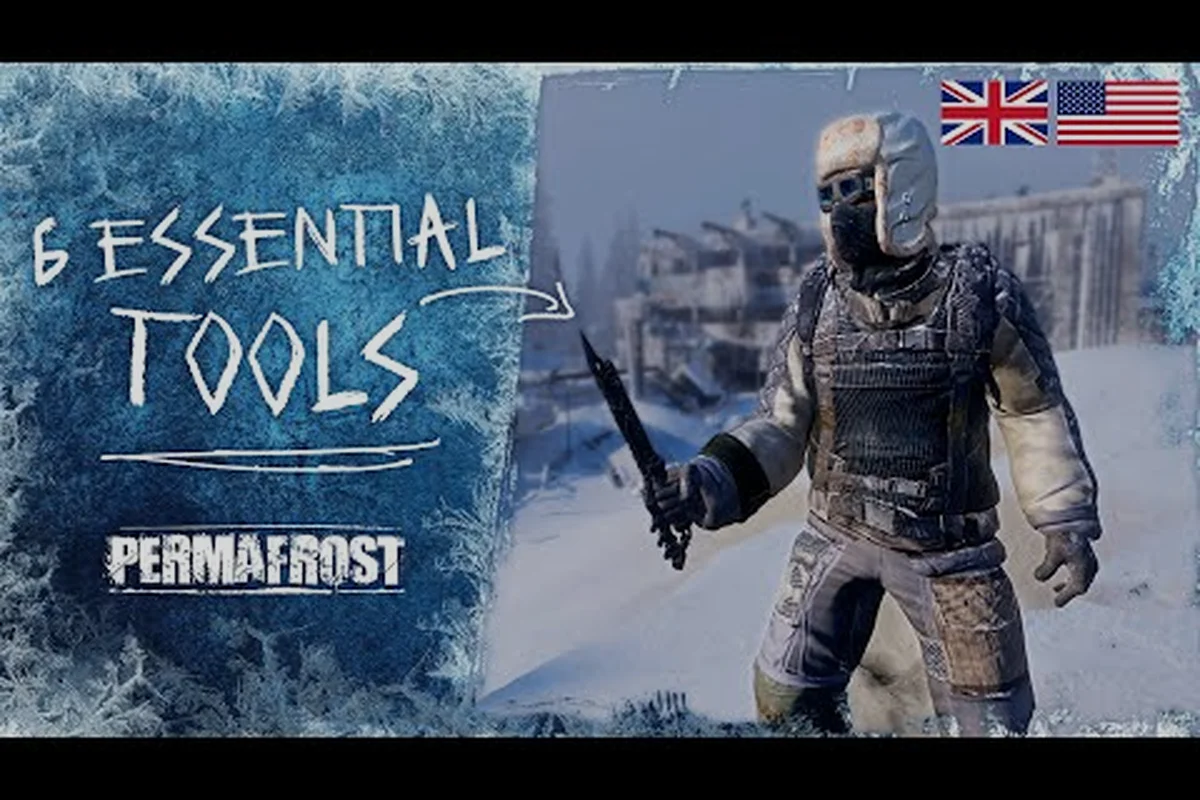
Permafrost Crafting Guide: Recipes and Blueprint Spots
Learn the permafrost crafting guide from your first tool to advanced stations, including where to find blueprints and how the crafting menu unlocks recipes.
Permafrost How to Repair Tools and Upgrade Weapons
Learn permafrost how to repair tools before durability hits zero, plus weapon upgrades, armor crafting, and the full recipe list for early-game survival.

Permafrost Materials Guide: Leather, Fur, and Hide
Find every resource in the permafrost materials guide, from how to get leather and fur to animal hide sources and repair materials for your crafted gear.
All Articles

Permafrost Crafting Priority: What to Craft First
Set your permafrost crafting priority with the best early crafting order, from cooking recipes to smithing and reclaiming lost technology before nightfall.

Permafrost Handmade Items: Shiv, Pickaxe, and Workbench
Craft permafrost handmade items like the shiv, pickaxe, and workbench using wood and blueprints to build the tools that keep your Rook alive.
Permafrost Stone, Scrap, Cloth, and Metal Guide
Locate permafrost stone, scrap, cloth, metal, and components for engineering, and learn which materials matter most for crafting in the frozen wastes.
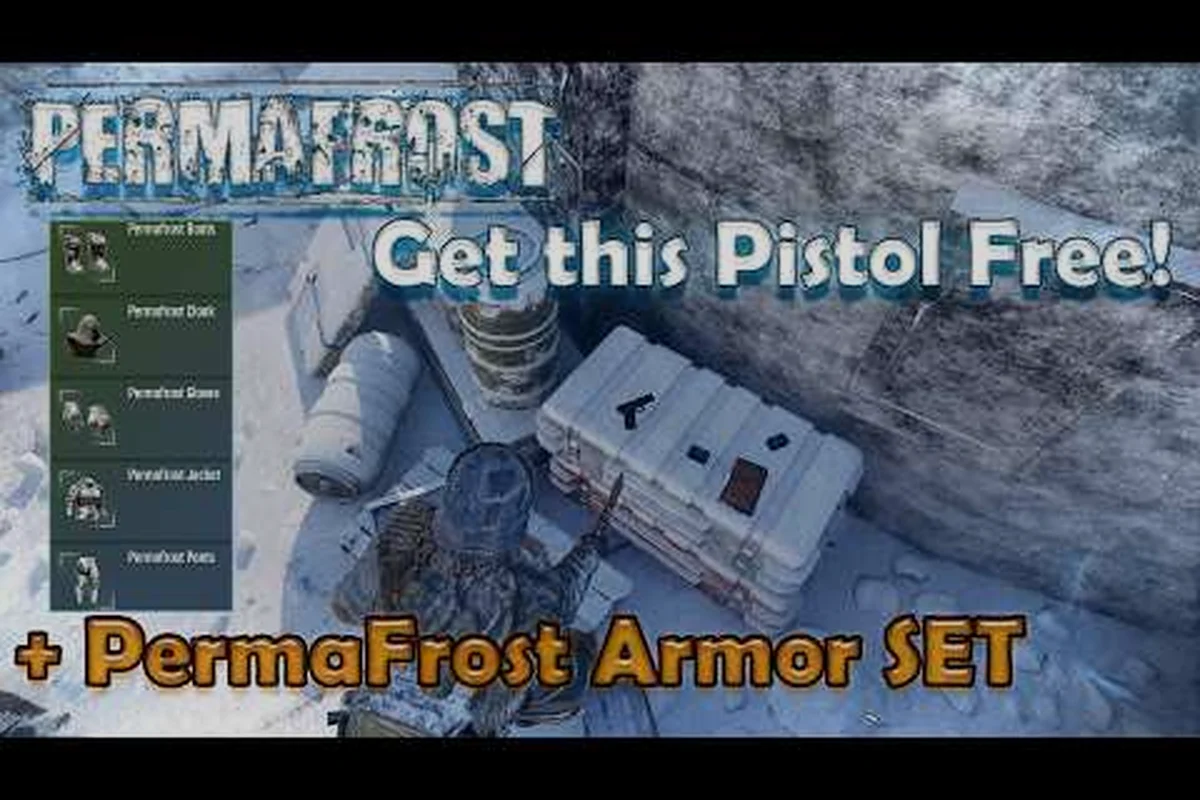
Permafrost Tools Guide: Stone Axe to Hunting Bow
Use this permafrost tools guide to craft a stone axe, build a hunting bow, and tailor clothing so your Rook survives the endless winter with the right gear.