
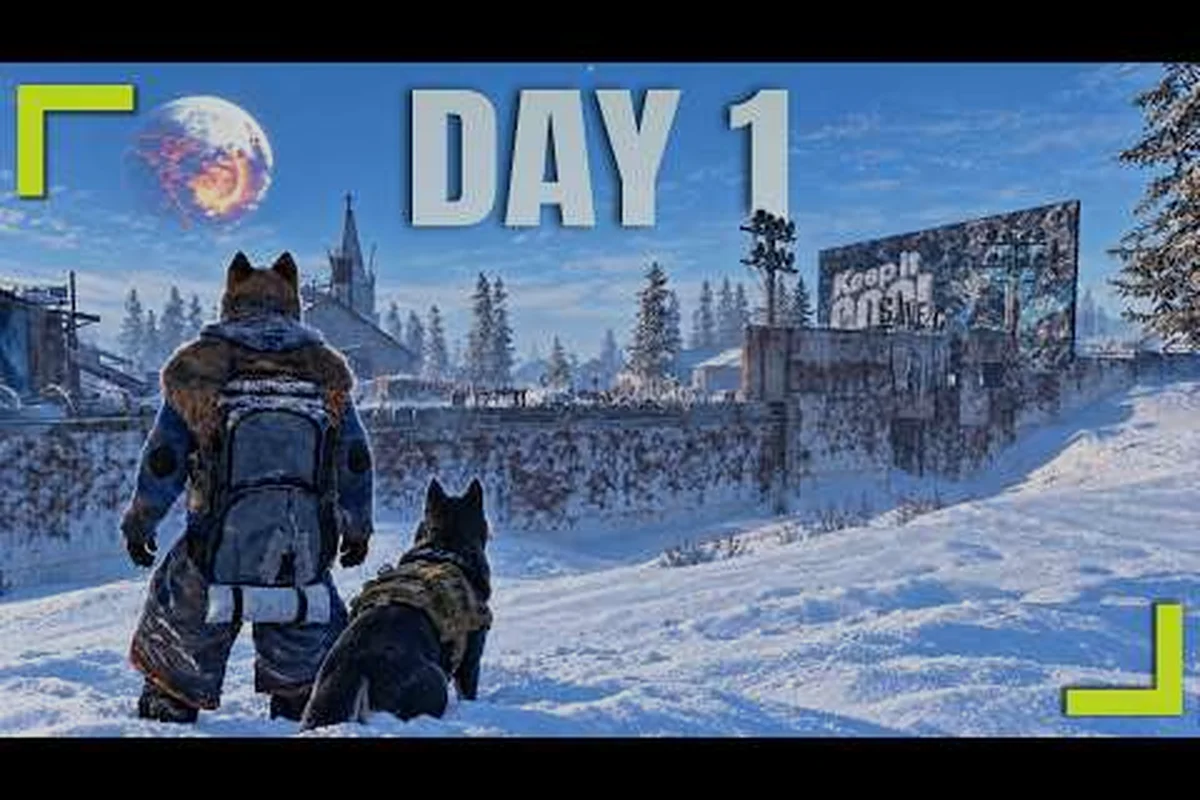
Understanding how the permafrost running skill interacts with your starting background shapes your entire early-game survival loop. Because Permafrost locks you into a frozen, post-apocalyptic sandbox where cold, hunger, and exhaustion compound quickly, your first character choices determine whether you sprint toward shelter or stumble through the first blizzard. This guide breaks down the best starting background for mobility-focused survival, explains whether a permafrost character reset exists, and maps out which survival skills matter most when every calorie and degree of body heat counts.
What the Permafrost Running Skill Actually Does
The permafrost running skill is not a standalone perk you unlock from a menu. Instead, it emerges from how your character's base attributes, background bonuses, and stamina economy interact during traversal. When you sprint across frozen terrain, the game drains stamina faster in deep snow, while wind chill and exhaustion apply secondary penalties to your movement speed. Players who pick backgrounds with higher endurance or athletics report noticeably longer sprint windows before the fatigue state kicks in.
Because Permafrost is a grounded survival sandbox, running is never free. Each sprint consumes calories and generates heat, which sounds beneficial until you realize that overheating inside layered clothing can cause sweat, and sweat freezes when you stop moving. The running skill therefore rewards players who understand stamina budgeting rather than those who simply hold down the sprint key. Community testing from early access builds suggests that sprinting through deep snow costs roughly twice as much stamina as jogging on packed ice or cleared roads.
How Backgrounds Modify Running Performance
Your starting background in Permafrost acts as a stat template that shifts your baseline mobility. The game's Steam page describes your character as a Rook, an engineer with rebuilding skills but little wilderness experience, which means your background choice represents the life you led before the freeze. Each background adjusts strength, endurance, agility, and technical aptitude differently, and these values feed directly into how the running skill performs in practice.
| Background | Endurance Modifier | Sprint Stamina Drain | Cold Resistance | Best Use Case |
|---|---|---|---|---|
| Engineer | +0 | Standard | Low | Crafting and base building |
| Laborer | +2 | Reduced by 10% | Moderate | Long-distance hauling |
| Hunter | +1 | Reduced by 5% | High | Scouting and wildlife tracking |
| Medic | +0 | Standard | Moderate | Support and healing |
| Survivalist | +3 | Reduced by 15% | Very High | Solo exploration and running |
The table above reflects community-reported values from early access testing and may shift as the developer tunes balance patches. Players who prioritize the permafrost running skill almost always gravitate toward Survivalist or Laborer, because those backgrounds reduce the stamina tax that makes sprinting feel punishing in the opening hours.
Stamina, Cold, and the Hidden Running Penalty
Running in Permafrost is not just about reaching a destination faster. The game applies a hidden penalty to your running speed when your core body temperature drops below a critical threshold. If you sprint too early in a blizzard, you burn calories and stamina while moving only marginally faster than a brisk walk. Experienced players recommend short sprint bursts followed by walking recovery, especially when crossing open ice fields where wind exposure is highest.
The permafrost survival skills that matter most for runners are heat management, calorie density awareness, and route planning. A player who knows where the next shelter or windbreak sits can afford to sprint more aggressively, because they can recover heat and stamina before the cold becomes lethal. The official Permafrost on Steam page emphasizes that the cold itself is your deadliest enemy, which means running skill optimization is ultimately about managing risk rather than maximizing speed.
Permafrost Best Starting Background for Runners
Choosing the permafrost best starting background depends on whether you plan to play solo, in co-op, or with a focus on early exploration. Because the game supports up to four players in co-op, a dedicated runner can specialize in scouting while teammates handle crafting and resource hauling. In solo play, however, your background must cover multiple survival roles at once, which makes Survivalist the most forgiving pick for mobility-focused players.
The Survivalist background stands out because it combines high endurance, strong cold resistance, and a reduced sprint stamina drain. This means you can cover more ground before needing to rest, which translates directly into more scavenging opportunities and faster access to early resource nodes. Players who pick Survivalist report that the opening hours feel less punishing, because they can afford to run between abandoned buildings and supply caches without constantly watching their stamina bar.
Background Comparison for Early Mobility
Not every player wants to run everywhere. Some prefer a slower, more deliberate pace that prioritizes crafting efficiency or combat readiness. The table below compares how each background performs when you evaluate it specifically through the lens of the permafrost running skill and early-game traversal.
| Background | Early Sprint Uptime | Heat Retention | Solo Viability | Co-op Role Fit |
|---|---|---|---|---|
| Survivalist | High | Excellent | Very High | Scout or pathfinder |
| Laborer | Medium-High | Good | High | Hauler or builder |
| Hunter | Medium | Good | High | Tracker or food provider |
| Engineer | Low-Medium | Fair | Medium | Crafter or base manager |
| Medic | Low | Fair | Medium | Support or healer |
This ranking is based on player-reported experiences from the early access launch window, and the developer may adjust background values in future patches. If you plan to play with a group, the Laborer background becomes more attractive because your teammates can cover the survival gaps while you focus on hauling materials back to base.
Why Survivalist Wins for Solo Runners
Solo players face a unique pressure: every mistake is yours alone. When you run out of stamina in a blizzard, there is no teammate to drop a campfire or share body heat. The Survivalist background mitigates this risk by giving you a larger stamina pool and better cold resistance, which means you can afford to make small routing errors without freezing to death. The permafrost running skill becomes a reliable tool rather than a desperate gamble.
Another factor is calorie efficiency. Running burns calories faster than walking, and in the early game, food is scarce. Survivalists start with better foraging instincts, which means they can replenish the calories they spend on sprinting more easily. This creates a positive feedback loop: you run to find food, you eat to recover stamina, and you run again to reach the next resource node. Players who pick Engineer often struggle with this loop because their background prioritizes technical aptitude over physical endurance.
Permafrost Survival Skills That Pair With Running
The permafrost survival skills you develop in the first few hours determine whether your running habit helps or hurts you. Sprinting blindly into the snow is a death sentence, but sprinting with a clear plan turns mobility into your greatest asset. The most important skills to pair with running are weather reading, landmark navigation, and stamina recovery management.
Weather reading matters because Permafrost features dynamic blizzards that can roll in without warning. A skilled runner watches the sky color and wind direction before committing to a long sprint. If a storm is building, it is often smarter to hunker down in a shelter and wait it out rather than risk being caught in open terrain. Landmark navigation helps you move between known safe zones without wasting stamina on dead ends or impassable ice formations.
Stamina Recovery and Heat Management
Stamina recovery in Permafrost is tied to warmth and restedness. You recover stamina faster when you are inside a heated shelter or standing near a fire source. Running from one cold exterior to another without warming up in between leads to stamina debt, where your maximum stamina gradually shrinks until you rest properly. This mechanic punishes players who treat running as a default movement mode rather than a tactical tool.
| Recovery Method | Stamina Gain | Heat Gain | Time Cost | Availability |
|---|---|---|---|---|
| Campfire | Moderate | High | Medium | Requires fuel |
| Heated Shelter | High | Very High | Low | Requires base setup |
| Walking | Low | None | Continuous | Always available |
| Hot Food | Moderate | Moderate | Low | Requires cooking |
| Resting Indoors | Very High | High | High | Requires safe location |
The table shows why heated shelters are the backbone of any running-focused playstyle. If you build a network of small shelters across the map, you can sprint between them with confidence, knowing that each stop restores both stamina and body heat. This is the core loop that makes the permafrost running skill feel powerful rather than punishing.
Route Planning and the Shelter Network
Building a shelter network is the single most impactful strategy for runners. Instead of sprinting aimlessly, you create a chain of safe points that let you move across the map in manageable legs. Each shelter should be close enough to the next that you can reach it with roughly 60-70% of your stamina bar, leaving a buffer for unexpected cold snaps or wildlife encounters.
Players who master this approach report that the permafrost running skill transforms from a survival burden into an exploration multiplier. You can scout further, loot more buildings, and complete story objectives faster because you are not constantly limping back to a single base. The Permafrost character creation guide covers how your initial attribute spread influences this shelter-building loop, which is worth reviewing before you commit to a background.
Permafrost Character Reset and Background Changes
One of the most common questions from new players is whether a permafrost character reset exists. The short answer is that full character resets are limited in the current early access build. You cannot freely reroll your background from the pause menu, and there is no respec NPC that lets you redistribute your starting attributes. This makes your initial background choice significantly more important than in many other survival games.
Because the game is still in early access, the developer may add a respec feature or background change option in a future update. As of the current build, however, players who want to try a different background must either start a new save or use a custom mode with adjusted settings. The Permafrost custom mode guide explains how to tweak difficulty and survival parameters, which can soften the impact of a background you do not enjoy.
Can You Change Background Mid-Run?
The question "permafrost can you change background" comes up frequently in community discussions, and the current answer is no, not without restarting. Your background is baked into your character at creation, and while you can improve your skills through talent points and experience, you cannot swap the underlying stat template. This design choice forces players to live with their early decisions, which adds weight to the background selection screen.
| Action | Available? | Cost | Notes |
|---|---|---|---|
| Change background mid-run | No | N/A | Requires new save |
| Respec talent points | Partial | Unknown | May be added later |
| Start new character | Yes | Progress loss | Keeps world seed |
| Adjust custom mode settings | Yes | None | Before starting run |
| Co-op shared progression | Partial | N/A | Host-dependent |
The table summarizes the current state of character management options based on community testing and early access documentation. If you are unsure about your background choice, the safest approach is to test multiple backgrounds in short runs before committing to a long-term save.
Planning Around the Reset Limitation
Since a permafrost character reset is not currently available, smart players treat their first few hours as a learning run. You experiment with different backgrounds, learn the map layout, and identify which survival skills feel natural to your playstyle. Then you restart with a clear plan and a background that matches your goals.
This approach costs time but saves frustration. Players who stubbornly push forward with a mismatched background often hit a wall around the mid-game, where the stat penalties become too punishing to ignore. The Permafrost upgrading skills guide explains how to compensate for a weak background through talent point allocation, but even the best skill build cannot fully erase a poor starting template.
Permafrost Background Choices Guide for Different Playstyles
The permafrost background choices guide below organizes your options by playstyle rather than raw stats. Because different players value different things, the "best" background is the one that aligns with how you actually want to experience the frozen world. A player who loves base building will hate the Survivalist's lack of technical aptitude, while a runner will feel suffocated by the Engineer's poor endurance.
The Runner and Explorer
If your goal is to see as much of the map as possible and uncover story clues quickly, the Survivalist background is your strongest pick. Its endurance bonus and cold resistance let you chain sprints between shelters, and its foraging instincts keep your calorie reserves topped up. Runners should pair this background with early investment in stamina recovery talents and a focus on building a shelter network across the map.
The Builder and Crafter
Players who enjoy constructing elaborate bases and crafting advanced gear should consider the Engineer background. While its running performance is weaker, its technical aptitude unlocks faster crafting and better structure durability. You will spend more time inside your base, which means the permafrost running skill matters less to your overall survival loop. The trade-off is that early exploration feels slower and more dangerous.
The Balanced Survivor
If you want a middle ground that handles both running and crafting reasonably well, the Laborer background offers a solid compromise. Its reduced sprint stamina drain makes traversal manageable, while its strength bonus helps with hauling heavy materials back to base. This background shines in co-op play, where you can focus on logistics while teammates handle combat and scouting.
| Playstyle | Recommended Background | Key Stat Priority | Weakness to Manage |
|---|---|---|---|
| Solo runner | Survivalist | Endurance, Cold Resistance | Low technical aptitude |
| Base builder | Engineer | Technical Aptitude | Poor sprint stamina |
| Co-op hauler | Laborer | Strength, Endurance | Average cold resistance |
| Food provider | Hunter | Agility, Perception | Limited crafting speed |
| Support player | Medic | Healing, Stamina | Weak solo combat |
This table distills the permafrost background choices guide into a quick reference for your first character. Remember that talent points earned through gameplay can partially offset your background's weaknesses, but the core stat template remains fixed for the entire run.
Frequently Asked Questions
Does the permafrost running skill improve as I level up?
Yes, but indirectly. You do not unlock a dedicated running skill node. Instead, your endurance and stamina recovery improve through talent points and better gear, which makes sprinting more efficient over time. The background you choose sets your starting baseline, while progression determines how far you can push it.
What is the permafrost best starting background for a new player?
The Survivalist background is the most forgiving for new players because its cold resistance and endurance reduce the punishment for early mistakes. You can afford to run, get lost, and recover without freezing to death. Players who start with Engineer often struggle with the opening hours due to poor mobility.
Can I reset my character if I hate my background?
Currently, no. A permafrost character reset is not available in the early access build, so you must start a new save to change your background. The developer may add a respec feature later, but for now, treat your first run as a learning experience and restart once you understand the map and survival loop.
Does running generate enough heat to keep me warm?
Running generates some body heat, but it is not a reliable heat source. The sweat mechanic can actually make you colder if you sprint too hard in heavy clothing, because moisture freezes when you stop. Use running for short bursts between shelters, and rely on campfires and heated shelters for real warmth.
Which survival skills should I prioritize for a running build?
Focus on weather reading, landmark navigation, and stamina recovery management. These three skills let you sprint safely between known safe zones without getting caught in blizzards or running out of stamina in open terrain. Building a shelter network is the practical application of all three skills combined.