
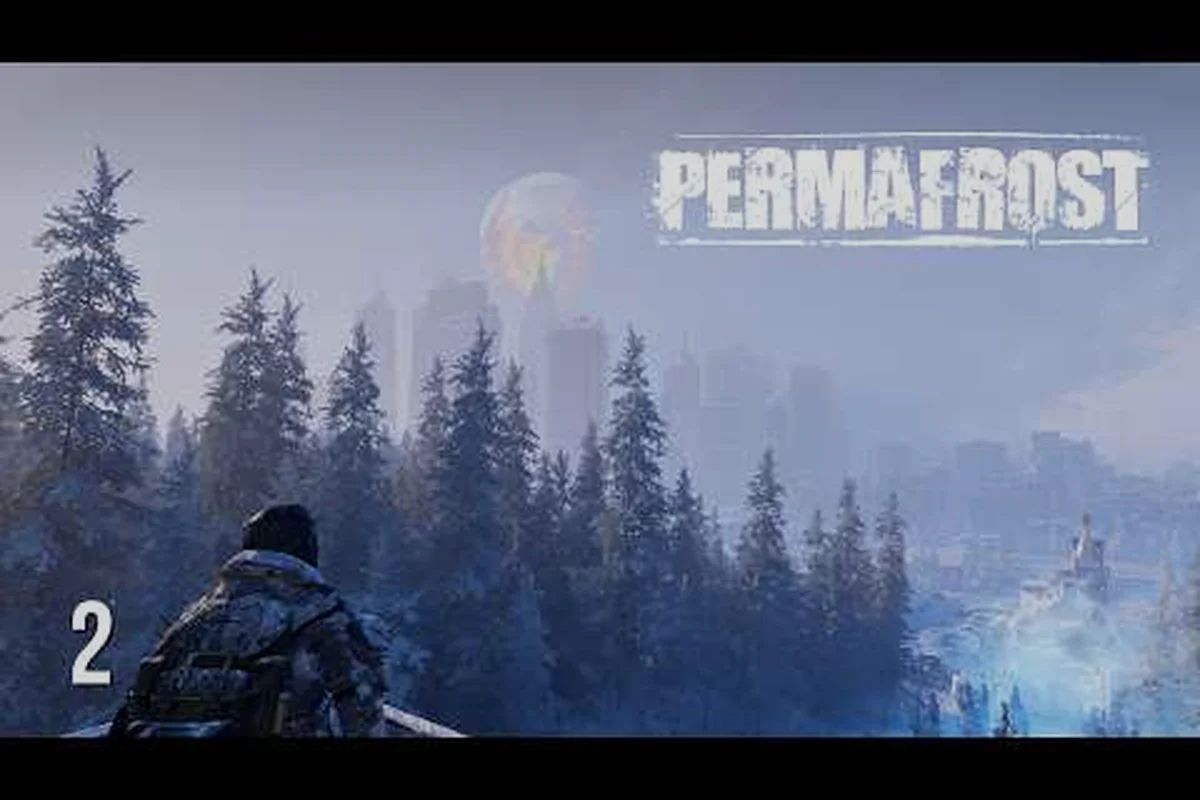
The permafrost abandoned city represents one of the most dangerous and rewarding exploration zones in the frozen open world, where collapsed high-rises and buried infrastructure hide valuable salvage beneath meters of ice. Understanding how to navigate ruined settlements, locate cave entrances, and identify underground areas transforms a lethal whiteout trek into a calculated loot run. This guide breaks down every major point of interest, from the buried forest to the deepest cave systems, so you can extract rare materials without freezing to death.
Mapping the Permafrost Abandoned City and Its Ruined Districts
The permafrost abandoned city sprawls across a massive frozen basin, with distinct ruined districts that each present unique hazards and loot tables. According to the official Steam store page for Permafrost on Steam, you play as a Rook drawn into this frozen world by a radio signal, and the abandoned urban zones serve as the primary source of advanced salvage and story-critical locations. Community reports indicate that the city is divided into at least four recognizable sectors: the Collapsed Transit Hub, the Frozen Residential Blocks, the Industrial Wreckage, and the Central Plaza Ruins.
Each sector contains permafrost ruined cities remnants that require different navigation strategies. The Collapsed Transit Hub features overturned train cars and shattered platforms that create natural windbreaks, making it a reliable early-game shelter location. The Frozen Residential Blocks hide basement entrances beneath snowdrifts, while the Industrial Wreckage holds the highest concentration of salvageable machinery but also attracts the most aggressive wildlife. The Central Plaza Ruins sit at the heart of the city and connect to multiple underground access points.
| District | Primary Hazard | Key Loot Type | Navigation Difficulty |
|---|---|---|---|
| Collapsed Transit Hub | Falling ice sheets | Mechanical parts, fuel | Low |
| Frozen Residential Blocks | Hidden basement drops | Clothing, food, medical supplies | Medium |
| Industrial Wreckage | Predator patrols | Scrap metal, rare components | High |
| Central Plaza Ruins | Whiteout exposure | Story items, blueprint fragments | Very High |
Players report that the Central Plaza Ruins serve as a natural landmark for orientation because its broken clock tower remains visible above the snowline from nearly every district. When visibility drops during a whiteout, using the clock tower as a fixed reference point prevents disorientation. The plaza also contains multiple collapsed subway entrances that lead into the permafrost underground areas network, which we will cover in detail later.
Locating Permafrost Cave Entrances and Underground Access Points
Finding permafrost cave locations requires understanding how the game generates and signals underground access points. Unlike surface ruins, cave entrances are often partially or fully concealed by snow accumulation, requiring players to recognize subtle visual cues. Community testing has identified three primary indicators: steam vents rising from cracks in the ice, unnatural snow depressions that suggest hollow spaces below, and scattered debris trails that lead toward hidden openings.
The permafrost caves guide approach differs significantly from surface exploration because underground areas maintain a more stable temperature. While surface temperatures can drop to lethal levels during storms, caves typically hover around -5°C to -15°C, which is survivable with basic cold-weather gear. This makes cave networks essential waypoints for long expeditions across the frozen map.
| Cave Type | Typical Depth | Temperature Range | Notable Contents |
|---|---|---|---|
| Surface Crevice | 10-30 meters | -5°C to -10°C | Basic salvage, fuel cans |
| Subway Tunnel | 30-80 meters | -8°C to -15°C | Mechanical parts, story logs |
| Deep Cavern | 80+ meters | -12°C to -20°C | Rare blueprints, advanced materials |
| Glacial Shaft | Variable | -15°C to -25°C | High-tier loot, extreme hazards |
The Glacial Shaft cave type represents the highest-risk, highest-reward underground area in the permafrost abandoned city. These vertical shafts descend through ancient ice layers and often contain preserved pre-cataclysm structures that have remained sealed since the freeze. Players report finding intact generator rooms and supply caches inside glacial shafts, but the extreme cold requires specialized gear and careful planning.
Reading Cave Entrance Signals
Each permafrost cave location emits specific environmental cues that experienced explorers learn to recognize. Steam vents indicate geothermal activity or warm air escaping from deeper chambers, which often means the cave extends far below the surface. Snow depressions form when the roof of a shallow cave partially collapses, creating a bowl-shaped indentation that catches drifting snow differently than surrounding terrain.
Debris trails are perhaps the most reliable indicator because they represent human activity from before the cataclysm. Scattered tools, vehicle parts, or personal belongings often lead directly to a concealed entrance. When you spot a debris trail, follow it carefully because the items themselves can be looted while you track the path to its source.
Navigating Underground Networks Safely
The permafrost underground areas connect multiple surface districts through a sprawling network of subway tunnels, maintenance corridors, and natural ice caves. Mapping these connections is essential because underground routes often bypass dangerous surface hazards like whiteouts and predator patrols. However, the underground presents its own challenges: pitch-black sections require light sources, collapsed passages force detours, and frozen gas pockets can cause suffocation if disturbed.
A practical strategy involves marking every surface entrance you discover with a distinctive landmark or crafted marker. Because the underground network branches extensively, knowing which entrance connects to which district prevents wasted travel time. The permafrost map guide provides additional context on how surface biomes and underground routes interconnect across the frozen world.
The Buried Forest: A Frozen Ecosystem Hidden Beneath the Snow
The permafrost buried forest represents one of the most visually striking and ecologically significant points of interest in the game. This area consists of an ancient woodland that was flash-frozen during the cataclysm, leaving entire trees encased in ice with their canopies still intact beneath the snowpack. Unlike the barren surface, the buried forest contains preserved organic material that serves as a critical source of rare crafting components.
Accessing the buried forest requires locating specific sinkhole entrances that drop through the snow layer into the preserved woodland below. These sinkholes are often hidden near the edges of the permafrost abandoned city, where the urban infrastructure gives way to frozen parklands and suburban greenbelts. Once inside, explorers find a surreal environment where frozen leaves, petrified wood, and ice-encased wildlife create both loot opportunities and navigation challenges.
| Buried Forest Resource | Rarity | Primary Use | Harvesting Tool |
|---|---|---|---|
| Frozen Sap | Common | Fuel, adhesive | Ice pick |
| Petrified Wood | Uncommon | Construction, crafting | Hatchet |
| Preserved Herbs | Rare | Medical supplies, recipes | Knife |
| Ancient Seeds | Very Rare | Farming, trading | Precision tool |
The Ancient Seeds found in the buried forest are particularly valuable because they represent pre-cataclysm plant genetics that cannot be obtained anywhere else. Players report that these seeds can be cultivated in heated grow beds to produce crops with unique properties, making the buried forest a priority destination for players focused on long-term survival and sustainability.
Surviving the Buried Forest Environment
The buried forest presents unique environmental hazards that differ from both surface and cave exploration. Ice canopy collapses occur when the frozen tree cover becomes unstable, dropping heavy ice chunks onto explorers below. Pocket air spaces within the snowpack can suddenly give way, plunging players into hidden crevasses. And the preserved wildlife — while visually fascinating — sometimes includes predators that were frozen mid-hunt and have since thawed in localized warm spots.
To navigate safely, players recommend moving along exposed root systems that provide stable footing above the snowpack. These ancient roots create natural pathways through the buried forest and often lead to the richest resource clusters. Additionally, carrying a light source with a wide beam helps illuminate the ice-encased environment and reveals hidden caches embedded in the frozen canopy.
Key Points of Interest and Loot Priorities
The permafrost points of interest scattered across the abandoned city and surrounding wilderness range from minor salvage sites to major story locations. Prioritizing which points of interest to visit depends on your current gear level, resource needs, and progression goals. The table below ranks the most significant locations based on community-reported loot value and accessibility.
| Point of Interest | Location | Primary Loot | Recommended Gear Level |
|---|---|---|---|
| Central Plaza Ruins | City center | Blueprint fragments, story items | Mid |
| Transit Hub Depot | East district | Mechanical parts, fuel | Low |
| Residential Basement Network | West district | Food, clothing, medical supplies | Low-Mid |
| Industrial Foundry | South district | Rare components, scrap metal | Mid-High |
| Buried Forest Sinkhole | Northwest edge | Organic materials, ancient seeds | Mid |
| Glacial Shaft Complex | Northeast underground | High-tier loot, rare blueprints | High |
The Industrial Foundry deserves special attention because it contains the highest concentration of salvageable machinery in the permafrost abandoned city. Players report extracting enough scrap metal and rare components from a single foundry run to fund multiple crafting projects. However, the foundry also attracts pack predators that use the industrial wreckage as den sites, so approach with caution and bring adequate weaponry.
Story-Critical Locations and Radio Signal Origins
The main story of Permafrost revolves around a radio signal that draws your character into the frozen world. Following this signal leads through several permafrost points of interest, each revealing fragments of the narrative. The Central Plaza Ruins contain the first major story beacon, while deeper locations like the Glacial Shaft Complex hold endgame narrative content.
Community reports indicate that the radio signal grows stronger near underground relay stations hidden throughout the city. These relay stations are often located in subway maintenance rooms or basement utility closets, reinforcing the importance of thorough underground exploration. The permafrost all map locations guide offers a broader overview of how these story locations fit into the complete frozen world map.
Gear, Preparation, and Route Planning for City Exploration
Effective exploration of the permafrost abandoned city requires careful preparation and route planning. Unlike casual surface travel, urban exploration demands specific gear to handle the unique hazards of ruined structures, underground networks, and the buried forest. The following checklist covers essential equipment for a successful expedition.
-
Insulated clothing set with at least -20°C cold resistance to handle deep cave and glacial shaft temperatures
-
Reliable light source with spare fuel or batteries, because underground sections have zero natural light
-
Climbing gear for navigating collapsed structures and vertical cave shafts
-
Salvage tools including an ice pick, hatchet, and precision knife for harvesting buried forest resources
-
Emergency shelter materials to survive unexpected whiteouts or cave collapses
-
Navigation aids such as crafted markers or map fragments to track explored areas
Route planning should account for the temperature gradient between surface, shallow caves, and deep underground areas. Surface temperatures fluctuate wildly with weather patterns, while underground temperatures remain relatively stable but colder at depth. Planning a route that alternates between surface travel and underground passages allows you to manage cold exposure while maximizing loot coverage.
Managing Cold Exposure During Long Expeditions
Cold exposure is the primary killer in the permafrost abandoned city, and managing it effectively separates successful explorers from frozen corpses. The cold meter drains faster during whiteouts, at night, and at deeper underground depths. Players report that layered clothing provides better cold resistance than single heavy garments, and that hot food items consumed before entering deep caves extend safe exploration time significantly.
A practical approach involves establishing warm-up stations at strategic points throughout the city. These stations can be as simple as a campfire in a wind-protected ruin or as elaborate as a heated shelter with storage. The permafrost best base locations guide covers optimal spots for establishing permanent or semi-permanent bases near high-value exploration zones.
Frequently Asked Questions
Where is the permafrost abandoned city located on the map?
The permafrost abandoned city occupies the central basin of the frozen world map, surrounded by frozen parklands that transition into the buried forest on the northwest edge. The Central Plaza Ruins serve as the geographic center, with the Collapsed Transit Hub to the east and the Industrial Wreckage to the south.
How do I find cave entrances in the permafrost abandoned city?
Look for steam vents rising from ice cracks, unnatural snow depressions indicating hollow spaces below, and debris trails leading toward concealed openings. Subway entrances near the Central Plaza Ruins are the most reliable access points to the underground network, but they are often blocked by collapsed platform debris that requires a precision knife or climbing gear to clear. Surface-level vent shafts along the eastern edge of the Industrial Wreckage also descend directly into the frozen gas pocket zones, though these routes demand a wide-beam light source before entry.
What is the best gear for exploring the buried forest?
A wide-beam light source, insulated clothing rated for at least -15°C, and a precision knife for harvesting preserved herbs and ancient seeds are essential. The buried forest's exposed root systems channel cold air downward, so climbing gear helps you bypass unstable root bridges and avoid ice canopy collapse zones that can trigger without warning. Carry a spare light source when descending through vent shafts near the Industrial Wreckage, as frozen gas pocket zones can extinguish weaker beams mid-climb.
Are the permafrost underground areas safe to explore solo?
Solo exploration of the permafrost underground areas is viable, but only if you treat pitch-black sections and frozen gas pocket zones as active threats rather than passive obstacles. Frozen gas pockets can extinguish weaker beams mid-climb and, if ignited by a flare or heat source, trigger a localized gas burst that drains warmth rapidly. The vent shafts along the eastern edge of the Industrial Wreckage are the highest-risk descent routes because they drop directly into these pockets. Carry spare light sources with independent power cells, and mark entrance locations with debris trails or surface beacons before descending into unfamiliar cave networks.
What makes the permafrost ruined cities different from other exploration zones?
The permafrost ruined cities concentrate advanced salvage, story-critical items, and underground access points in a single dense area. Unlike wilderness zones, urban exploration rewards thorough building-by-building searches and offers natural shelter from surface weather hazards. The Central Plaza Ruins alone contain multiple floors of lootable interiors connected by collapsed stairwells, while the Industrial Wreckage to the south hides vent shafts that bypass surface-level locked doors entirely — a route that skips the frozen gas pocket exposure of street-level travel but demands a wide-beam light source before descent.