
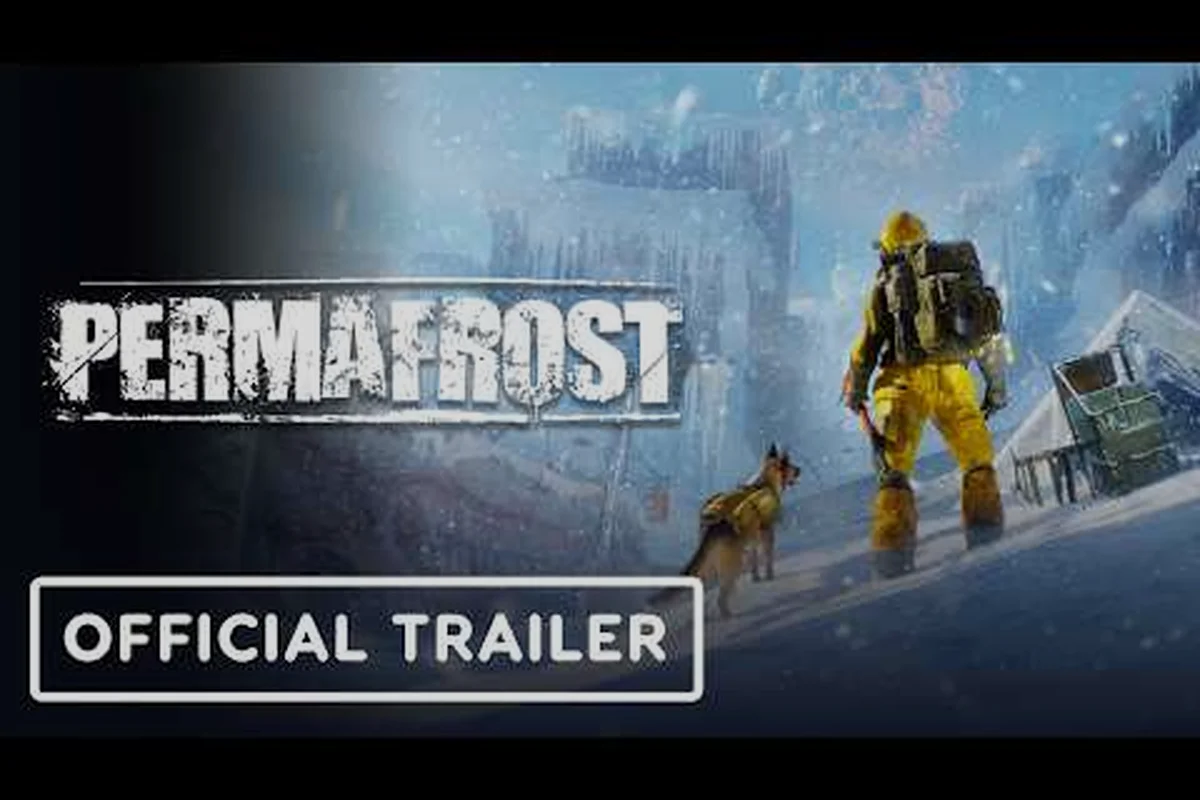
Surviving the endless winter in Permafrost demands more than just a warm coat—it requires a complete rethink of how you approach shelter, food, and community. This permafrost guide breaks down the core survival loop that keeps new Rook engineers alive through their first brutal weeks. You will learn how to stabilize warmth, secure a reliable food supply, and start rebuilding a functioning society from the frozen ruins. st guide breaks down the core survival loop that keeps new Rook engineers alive through their first brutal weeks. You will learn how to stabilize warmth, secure a reliable food supply, and start rebuilding a functioning society from the frozen ruins. For a broader look at how these systems interact across the entire early game, the Permafrost Beginner Guide walks through each phase of that first month in detail.
The Core Loop: Warmth, Food, Shelter and Tools
Permafrost places you in the boots of a Rook, an engineer with technical skills but almost no wilderness experience. The game's central tension comes from that mismatch: you can repair complex machinery, yet a single night without shelter can kill you. According to the official Steam store page, the world is a near-future Earth locked in an endless winter after a cataclysm, and the cold itself acts as your deadliest enemy rather than any single monster or faction.
Your first priority is always thermal stability. Body temperature drops constantly when you are outside, and it drops faster during blizzards or at night. The warmth meter is not just a status bar—it directly affects your stamina regeneration, crafting speed, and even your ability to aim steadily. When the meter hits zero, your health begins to drain at an accelerating rate, which means you cannot simply tank the cold and push through.
The survival loop breaks down into four connected systems: warmth management, food and hydration, resource scavenging, and shelter building. Each system feeds into the others. For example, chopping frozen wood burns calories, which forces you to hunt sooner, which exposes you to more cold, which requires more firewood. Understanding these feedback loops is what separates a stable run from a death spiral.
| Survival System | Primary Resource | Failure Consequence | Recovery Action |
|---|---|---|---|
| Warmth | Body heat, firewood | Health drain, reduced stamina | Build fire, enter shelter |
| Food | Calories, clean water | Stamina cap reduction, weakness | Hunt, cook, melt snow |
| Shelter | Wood, stone, insulation | Accelerated heat loss | Repair walls, add insulation |
| Tools | Scrap metal, cloth | Slower gathering, crafting | Scavenge ruins, dismantle |
Community reports from early access players consistently highlight that new players die most often from ignoring the calorie cost of labor. Every swing of an axe, every sprint through deep snow, and every crafting session burns energy. A common pattern is chopping wood for an hour, then realizing you have no food left and no energy to hunt. The fix is to front-load food gathering before any major building project.
Wind Chill and Your First Shelter
Your first shelter does not need to be impressive—it needs to be functional. A basic lean-to or repurposed ruin can block wind chill, which is often the difference between losing 10% warmth per minute and losing 2%. Wind chill is a hidden modifier that many players overlook, and it applies even when the ambient temperature seems survivable. Building a simple windbreak on the exposed side of your camp can double the effective lifespan of your firewood.
Fire management is the second pillar of warmth. A campfire provides a heat radius that restores your warmth meter, but it also consumes fuel at a steady rate. Hardwood burns longer than softwood, and dried wood burns longer than freshly chopped wood. Players who stockpile green wood and burn it immediately waste roughly 40% of the potential burn time compared to letting it dry first.
Insulation and Clothing Layers
Clothing in Permafrost is not just cosmetic—each piece has an insulation value that directly reduces heat loss. Layering matters more than finding a single high-tier item. A full set of basic fur clothing often outperforms a mismatched set of rare gear because of the set bonus applied when all slots are filled with cold-weather items.
| Clothing Layer | Material Source | Insulation Value | Durability Cost |
|---|---|---|---|
| Head covering | Rabbit fur, cloth scraps | Low | Low |
| Torso layer | Deer hide, wolf pelt | High | Medium |
| Hand wraps | Cloth, leather strips | Low | Low |
| Leg covering | Bear hide, layered cloth | Medium | High |
| Footwear | Insulated boots, fur wraps | Medium | Medium |
Repairing clothing is cheaper than replacing it, but only if you catch the damage early. A torn torso layer loses insulation value gradually, and by the time you notice the cold creeping in, you may have already burned through an extra stack of firewood. Check your gear condition every time you return to base.
Finding Food and Managing Calories
Food in Permafrost comes from three main sources: hunting wildlife, trapping, and scavenging preserved goods. Hunting is the most calorie-efficient in the long run but requires tools, patience, and often a ranged weapon. Trapping is passive but slow, and scavenged food is finite—once you clear a ruin, it does not respawn.
The wildlife AI is deliberately cautious. Deer and rabbits flee at the first sign of movement, which means you need to approach from downwind or use a bow from a distance. Wolves are more aggressive and will sometimes hunt you, but their pelts provide excellent insulation material. According to community testing, a single wolf pelt can be crafted into a torso layer that outperforms three rabbit fur equivalents.
Trapping and Passive Food Sources
Traps are the most underrated tool in the early game. A basic snare trap costs minimal resources and can be placed along animal trails, which are visible as subtle paths in the snow. Once placed, traps check for catches on a timer, and the catch rate improves if you bait them with berries or scraps. A line of four or five snares can supply enough meat to keep you fed without spending hours tracking deer.
| Food Source | Setup Cost | Active Time Required | Calorie Yield | Sustainability |
|---|---|---|---|---|
| Active hunting | Bow, arrows, time | High | High | High |
| Snare traps | Sticks, cord, bait | Low | Medium | Medium |
| Ice fishing | Fishing rod, hole | Medium | Medium | High |
| Scavenged cans | None | Low | Low | Finite |
| Foraged berries | None | Medium | Low | Seasonal |
Cooking food increases its calorie value and removes the risk of food poisoning, which is a real threat when eating raw meat or spoiled scavenged goods. A simple cooking pot over a fire lets you turn raw meat into stew, which also restores a small amount of warmth. The efficiency gain from cooking is significant enough that skipping it is never worth the time saved.
Rebuilding Society and Long-Term Goals
Permafrost is not just a survival sandbox—it is a story-driven experience about rebuilding after collapse. The radio signal that draws your Rook into the frozen world comes from a long-lost friend, and following that thread gradually reveals what happened to the world. Along the way, you encounter other survivors, and your choices determine whether they join your settlement or remain isolated.
Your dog is more than a companion—it is a functional survival partner. The canine can carry supplies, warn you of nearby predators, and provide warmth when you sleep together. Players who ignore the dog's needs find themselves at a serious disadvantage, because a well-fed, rested dog actively improves your carrying capacity and threat detection range.
Settlement Building and NPC Roles
Once you establish a stable base, the game opens up into settlement management. Survivors you recruit can be assigned to roles like hunter, builder, or scavenger, and each role generates resources passively over time. This shifts the gameplay from pure survival to resource optimization, where your job is to balance labor allocation against the settlement's needs.
| NPC Role | Resource Generated | Daily Upkeep | Best Assignment Priority |
|---|---|---|---|
| Hunter | Meat, pelts | Food, warmth | Early game |
| Builder | Structure repair | Food, tools | Mid game |
| Scavenger | Scrap, preserved food | Food, warmth | Early game |
| Medic | Healing, disease prevention | Food, shelter | Mid game |
| Engineer | Tech unlocks, crafting speed | Food, tools | Late game |
The transition from solo survivor to settlement leader is where Permafrost distinguishes itself from other survival games. You are not just keeping yourself alive—you are rebuilding a functioning community, and the systems reflect that. A settlement with a dedicated hunter and scavenger can sustain itself while you pursue story objectives, but only if you invested in the infrastructure first.
Advanced Permafrost Tips for Long-Term Survival
Once you have mastered the basics, the challenge shifts to efficiency. The biggest mistake intermediate players make is overbuilding early. A sprawling base with multiple buildings looks impressive but consumes enormous resources to heat and maintain. A compact, well-insulated shelter with a single central fire is far more sustainable in the first two seasons.
Weather prediction becomes a critical skill. The game telegraphs incoming blizzards through subtle environmental cues—shifting wind patterns, darkening skies, and animal behavior changes. Learning to read these signs lets you stockpile firewood and food before a storm hits, rather than scrambling during it. A blizzard caught unprepared can drain your entire resource stockpile in a single night.
Tool Maintenance and Crafting Efficiency
Tools degrade with use, and a broken tool at the wrong moment can be fatal. The repair kit is one of the most valuable items in the game because it lets you restore tools in the field without returning to a workbench. Carrying at least one repair kit at all times is a habit that veteran players develop early.
| Tool | Primary Use | Durability | Repair Cost | Priority Level |
|---|---|---|---|---|
| Axe | Wood chopping | Medium | Scrap, wood | High |
| Pickaxe | Stone, ore mining | Medium | Scrap, stone | Medium |
| Knife | Skinning, crafting | Low | Scrap | High |
| Bow | Hunting, defense | Medium | Cord, wood | High |
| Fishing rod | Ice fishing | Low | Cord, wood | Low |
The crafting system rewards planning ahead. Many recipes require intermediate components that themselves need crafting, so a simple item can chain through three or four steps. Keeping a small stockpile of refined materials—processed wood, cured leather, forged nails—saves hours of backtracking when you need to craft something quickly.
Frequently Asked Questions
What is the best early game strategy in this permafrost guide?
Focus on securing a windbreak shelter and a reliable food source before expanding. Build a lean-to near a ruin, set up three or four snare traps, and only then start chopping wood for a proper base. Rushing construction without food reserves is the most common cause of early deaths.
How do I keep my dog alive and useful?
Feed your dog regularly and let it rest inside your shelter during blizzards. A well-cared-for dog increases your carrying capacity and warns you of predators before they attack. Neglecting the dog removes these bonuses and can lead to it running off temporarily.
Can I play Permafrost with friends?
Permafrost is designed as a solo survival experience with your canine companion, not a multiplayer title. The story and settlement systems are built around a single Rook engineer. If you are looking for co-op survival, check whether the developers have announced any multiplayer plans on the official channels.
What happens if I die in Permafrost?
Death is permanent in the standard survival mode, which means you lose your current run and must start over. Some players use this as motivation to play cautiously, while others embrace the roguelike tension. Your settlement progress is not saved across runs unless you are playing a custom mode with different rules.
How long does it take to reach the settlement phase?
Most players reach stable settlement management after roughly 8 to 12 hours of playtime, depending on how efficiently they manage early resources. The transition happens naturally once you have a warm shelter, a steady food supply, and at least two recruited survivors. Rushing the story before stabilizing your base usually backfires.
The permafrost guide ultimately teaches one lesson: survival in this frozen world is about rhythm, not reaction. Once you internalize the loop of warmth, food, and shelter, the game opens up into a rewarding story about rebuilding civilization from the ice. Your Rook may start as an engineer out of their depth, but with the right habits, they become the foundation of a new society.