
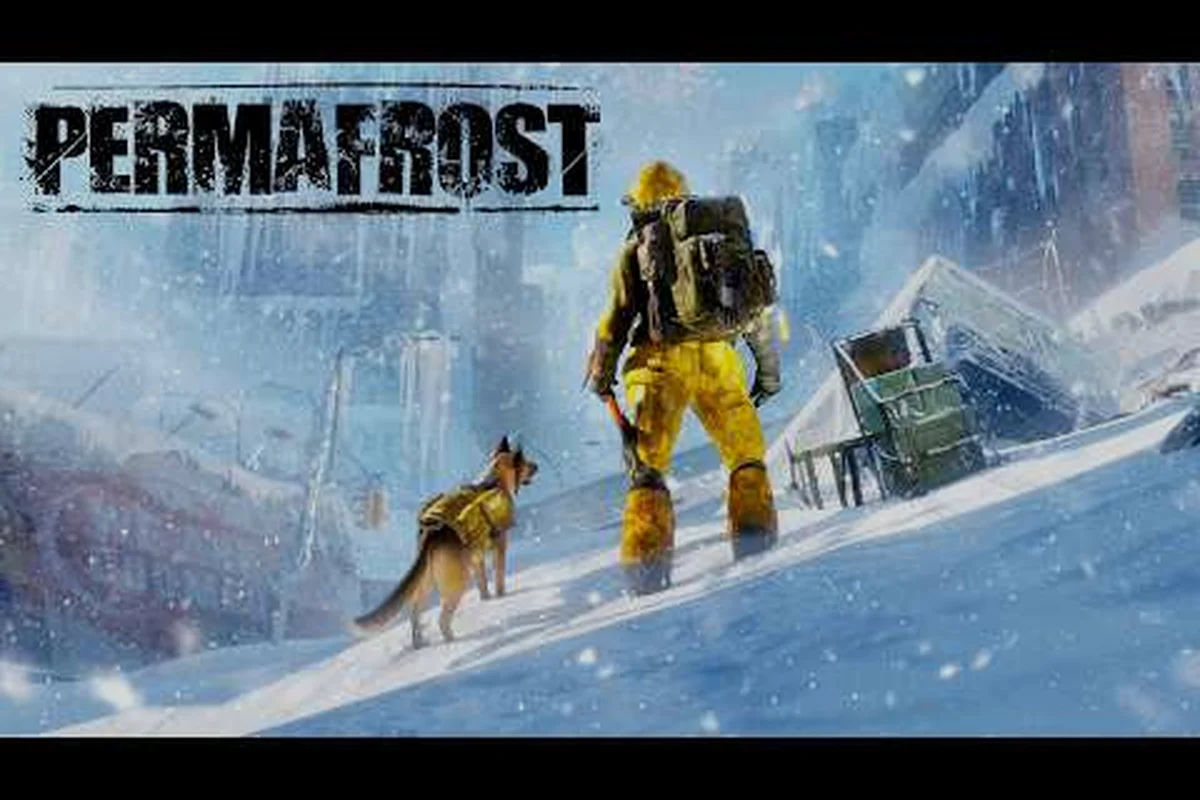
Your first sunrise in Permafrost hits different when your stomach is empty and the temperature gauge is already dropping. The permafrost best early game food strategy is not about farming or cooking elaborate meals, but about knowing which calories are worth the frostbite risk and which hunting tools pay off before you have a real base. This guide breaks down the exact food sources, bow-crafting priorities, and wildlife routes that keep you alive through the first three days.
Understanding Early Game Hunger and Food Priorities
Hunger in Permafrost is not a slow background drain that you can ignore while you explore. It compounds with the cold, and a starving survivor burns through body heat faster because the metabolism is scrambling for energy that is not there. The official Steam page for Permafrost on Steam frames the core loop as a fight against extreme weather, hunger, and exhaustion, which means food is not optional flavor but a survival mechanic tied directly to your ability to move, aim, and craft.
Your first priority is not variety but caloric density per inventory slot. A handful of frozen berries might stop the hunger icon from flashing for a few minutes, but it will not sustain a long scavenging run. The permafrost best early game food options share three traits: they are easy to find, they do not require a cooking station, and they provide enough energy to cover a full trip between shelter and loot zone.
| Food Source | Calories per Unit | Prep Required | Best Use Window |
|---|---|---|---|
| Canned Goods | High | None | Anytime, priority loot |
| Fresh Game Meat | Very High | Fire + cook | After hunting bow is ready |
| Frozen Berries | Low | None | Emergency only |
| Dried Rations | Medium | None | Long scavenging trips |
| Fish | High | Fire + cook | Near ice holes and rivers |
Canned goods are the backbone of early survival because they are shelf-stable, silent to consume, and often found in the same buildings where you are already looting for tools and clothing. The tradeoff is weight, so you need to balance how many cans you carry against how much scrap and ammunition you want to bring back.
Why Cooking Is a Trap in the First 48 Hours
Cooking feels productive, but it is a trap before you have a stable shelter and a reliable heat source. A cooking fire consumes fuel, produces smoke that can attract unwanted attention, and forces you to stand still in the open while the meat cooks. During the first two days, you are better off eating ready-to-eat calories and saving raw meat for later, or cooking only when you are already warming up at a secure indoor fire.
That said, raw meat should never be eaten unless you are truly desperate. The health penalty from food poisoning will drain your stamina and force you to burn even more calories recovering. If you do hunt early, plan to cook the meat at a makeshift fire pit inside a building, never out in the wind where the cold cancels out the warmth.
Crafting the Permafrost Hunting Bow and Early Weapons
The permafrost hunting bow is the single most important early craft because it converts your scavenged arrows into silent, renewable food. Guns are loud, ammunition is scarce, and melee weapons force you to close distance with animals that can outrun or outfight you. A bow lets you take down wildlife from a safe range without alerting every predator in the sector.
Before you can craft the bow, you need three things: a flexible limb material, a cord or sinew, and a cutting tool to shape the components. The exact recipe may vary slightly by patch, but community reports consistently point to scavenged plastic piping or spring steel as the best limb material, while animal sinew or braided cloth strips work for the string.
| Crafting Step | Required Material | Where to Find It | Notes |
|---|---|---|---|
| Bow Limbs | Spring steel or PVC pipe | Industrial ruins, garages | Check toolboxes and shelves |
| Bow String | Sinew or braided cord | Animal carcasses, clothing | Dry cord is more durable |
| Arrow Shafts | Straight sticks or plastic rods | Forest edges, debris piles | Straighten by fire if needed |
| Arrowheads | Scrap metal or sharp stone | Ruins, rocky outcrops | Can be reused if recovered |
The crafting menu in Permafrost is context-sensitive, so you will not see the bow recipe until you have at least one valid limb material and one cord in your inventory. If the recipe is missing, you are probably missing a cutting tool like a knife or a sharpened scrap blade. The crafting guide covers the full recipe tree and blueprint locations if you want to plan your first crafting session before you head out.
Arrow Conservation and Shot Discipline
Arrows are not infinite, and every missed shot is a wasted resource that could have been a meal. The permafrost hunting bow rewards patience: wait until the animal stops moving, aim for the chest or neck, and do not take shots beyond your comfortable range. A wounded animal will run, and tracking it through deep snow burns more calories than the meat will replace.
Recover your arrows whenever possible. Arrows that hit the ground or a tree can often be picked up, though arrows that shatter against rock are gone for good. Community data suggests that a careful hunter can sustain themselves on five to seven arrows for several days if they recover at least half of their shots.
Permafrost Wildlife Locations and Hunting Routes
Knowing where animals spawn is more valuable than knowing how to shoot, because a bow is useless if you are hunting empty snowfields. The permafrost wildlife locations are not random; they cluster around food sources, water, and sheltered terrain where animals can conserve heat.
| Wildlife Type | Common Locations | Behavior | Best Hunting Approach |
|---|---|---|---|
| Snow Hares | Forest edges, shrub lines | Skittish, fast | Bow from cover, aim low |
| Deer | Open tundra near tree lines | Alert, flees at noise | Stalk slowly, use terrain |
| Wolves | Near carcasses, cave mouths | Aggressive, pack-based | Avoid early, or shoot lead wolf |
| Birds | Rooftops, frozen lakes | Flush easily | Only if desperate, low yield |
| Fish | Ice holes, river bends | Stationary | Spear or fishing line |
The most reliable early hunting ground is the tree line transition zone, where forest meets open snow. Snow hares and deer both use this edge for cover and browse, and you can approach from the forest side without being silhouetted against the white. Avoid open tundra hunts until you have better clothing, because the wind will drain your heat before you get within bow range.
Reading Tracks and Blood Trails
Permafrost leaves tracks in the snow, and reading them is a survival skill that most new players ignore. Fresh tracks have crisp edges and no snow drift inside them, while old tracks are softened and partially filled. Blood trails from a wounded animal are darker and more irregular than paw prints, and they will lead you to a carcass if you follow them before the snow covers the trail.
If you lose a blood trail, circle the last visible spot in a widening spiral. Wounded animals often bed down within fifty to one hundred meters of where they were hit, especially if the temperature is dropping and they are trying to conserve energy.
Scavenging and Looting Routes for Early Food
Hunting is not your only food source, and in the first hours it should not even be your primary one. The permafrost scavenging guide approach is to hit high-density loot zones where canned goods, dried rations, and cooking supplies are concentrated. Buildings are warmer than the open snow, which means you can loot and warm up at the same time.
| Loot Zone Type | Best Items Found | Risk Level | Recommended Timing |
|---|---|---|---|
| Residential Kitchens | Canned goods, dried food | Low | Early morning |
| Gas Stations | Snacks, drinks, fuel | Medium | Midday, avoid open areas |
| Industrial Cafeterias | Bulk rations, cooking pots | Medium | After clearing entry |
| Abandoned Camps | MREs, hunting gear | Low | Anytime, check tents |
| Ruined Stores | Mixed food, tools | High | Only with backup weapon |
The permafrost looting guide rule is simple: check containers, not just shelves. Food in Permafrost is often hidden inside cabinets, under counters, inside backpacks, and behind breakable panels. A building that looks empty on a quick sweep can hide enough calories for a full day if you open every drawer and check every corner.
Where to Find Resources Beyond Food
Food is the immediate need, but you should grab other resources while you are in the same buildings. The permafrost where to find resources question has a layered answer: residential zones give you cloth, bandages, and small tools; industrial zones give you scrap metal, fuel, and crafting components; and natural zones give you wood, stone, and plant fiber. Every trip should have a secondary objective so you are not wasting heat on single-purpose runs.
For example, a kitchen run should also target cloth scraps for bandages and cooking pots for later use. A gas station run should grab fuel canisters and duct tape alongside the snacks. This layered looting is what separates survivors who thrive from those who barely scrape by.
Permafrost Survival Tips for the First Three Days
The permafrost survival tips that actually matter in the first 72 hours are not about building a fortress or crafting advanced gear. They are about calorie math, heat budgeting, and risk management. Every action costs energy, and every energy deficit pushes you closer to a death spiral where you are too weak to hunt and too cold to scavenge.
| Day | Primary Goal | Food Target | Key Risk to Avoid |
|---|---|---|---|
| Day 1 | Find shelter + basic tools | 2-3 canned meals | Freezing while exploring |
| Day 2 | Craft hunting bow + arrows | 1 cooked meat + rations | Food poisoning from raw meat |
| Day 3 | Establish hunting route | Sustainable mix | Overextending into storms |
One of the most common early mistakes is over-looting. Players fill their inventory with scrap and components, then realize they have no room for food and no energy to walk back. Always reserve two to three inventory slots for food and water before you leave shelter, and drop low-value scrap if you find high-calorie food.
Managing the Cold While Hunting and Scavenging
Cold is the multiplier that makes every food problem worse. A survivor who is well-fed but freezing will still lose health, while a survivor who is slightly hungry but warm can keep moving. The body temperature guide explains the full heat system, but the short version is this: plan your outdoor trips around the warmest part of the day, use buildings as heat checkpoints, and never hunt in a storm.
If you are heading out to hunt, eat a high-calorie meal first. The energy buffer gives you more time before the cold starts eating into your health, and it keeps your aim steadier when you are lining up a shot on a moving animal.
Frequently Asked Questions
What is the permafrost best early game food for new players?
Canned goods are the best early food because they require no preparation, provide high calories per slot, and are commonly found in residential kitchens and gas stations. Dried rations are a close second for long trips, while fresh game meat becomes viable only after you craft a hunting bow and a safe cooking fire.
How do I craft the permafrost hunting bow?
You need a flexible limb material like spring steel or PVC pipe, a cord or sinew for the string, and a cutting tool to shape the components. Gather these items, open the crafting menu, and select the bow recipe. If the recipe does not appear, you are missing one of the required materials or a valid cutting tool.
Where are the best permafrost wildlife locations for early hunting?
The tree line transition zone between forest and open snow is the most reliable early hunting ground. Snow hares and deer cluster there for cover and browse, and you can approach from the forest side without being silhouetted. Avoid open tundra until you have better cold protection.
Can I survive without hunting in Permafrost?
Yes, but it is harder. Scavenging canned goods and dried rations can sustain you through the first several days if you hit high-density loot zones like kitchens, gas stations, and abandoned camps. However, renewable food from hunting becomes important once you exhaust the easy loot near your starting area.
What should I do if I run out of food in the first days?
Stop exploring and return to the nearest looted zone you have not fully cleared. Check containers, cabinets, and backpacks that you may have skipped. If you have a bow, hunt small game near tree lines. Avoid raw meat unless you are desperate, and prioritize finding shelter with a heat source before your condition drops further.