
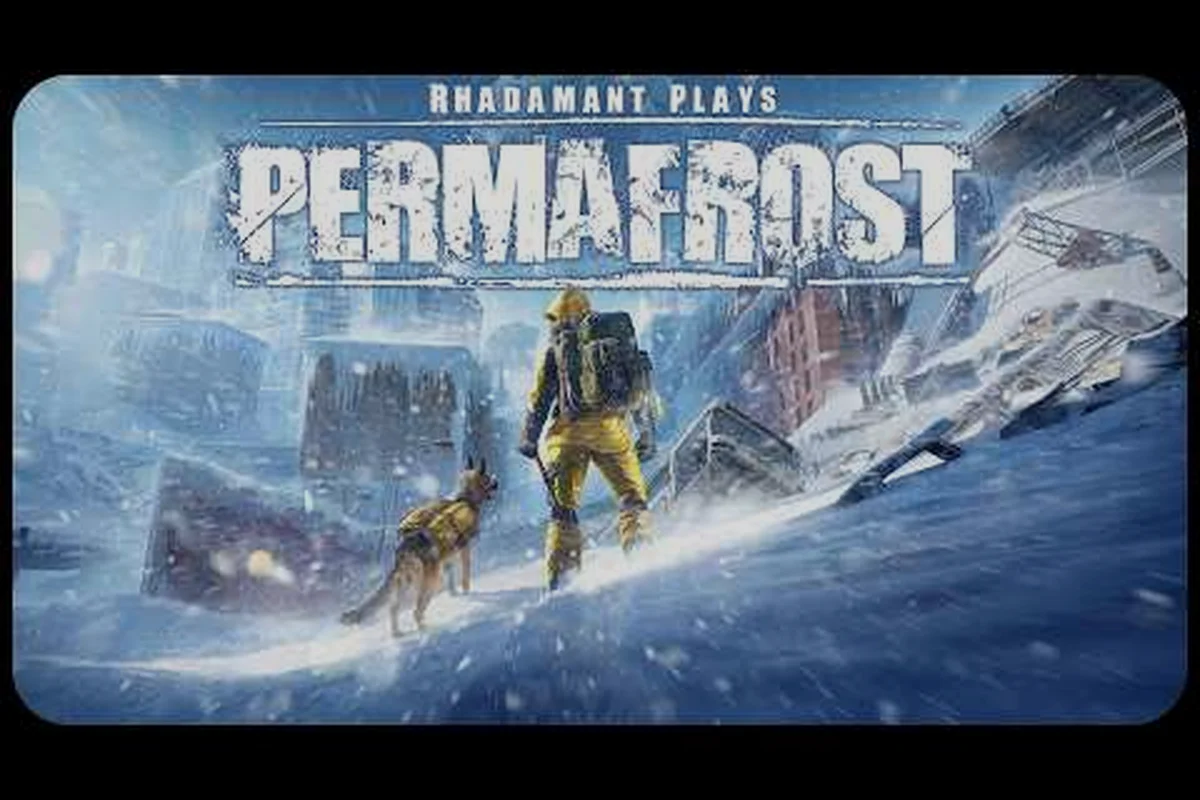
The permafrost dog companion is not just a cosmetic pet—it is a survival mechanic that changes how you scout, carry supplies, and manage threats in the frozen open world. Rescuing your dog early gives you an extra set of eyes, a mobile storage unit, and a warning system that can prevent ambushes before they happen. This guide breaks down exactly where to find your dog, how the rescue sequence works, and what your canine partner actually does once it joins your camp.
How the Dog Companion Functions in Practice
Your dog is a functional teammate, not a passive follower. According to the official Steam store page, the companion moves ahead of you to spot hazards, barks to flag threats, tows extra gear, and steadies your nerves during the long, empty hours of the frozen world. That is a broad description, so community testing has clarified the specific mechanics that matter most in practice.
The most important behavior is the early warning system. When your dog detects a threat—whether it is a hostile survivor, a predator, or an environmental hazard—it will bark, change posture, or move toward the danger before you see it yourself. This gives you a critical window to reposition, draw a weapon, or avoid the encounter entirely. Players report that the warning radius is roughly 30 to 40 meters, though exact values may vary by patch and difficulty setting.
The second core function is pack storage. Your dog can carry a limited amount of inventory, which frees up weight for weapons, tools, and medical supplies. The exact capacity depends on the breed and any gear you equip on the companion, but even the baseline storage is enough to hold extra food, bandages, or crafting materials during long expeditions.
The third function is camp guarding. When you leave your dog at a shelter or base, it will patrol the perimeter and alert you to intruders. This is especially useful in co-op sessions where one player stays behind to craft while others explore. The dog does not fight on its own, but its warning bark can buy you enough time to react.
| Companion Function | What It Does | Best Use Case |
|---|---|---|
| Early Warning | Barks or signals when threats enter detection range | Exploring unknown ruins or traveling at night |
| Pack Storage | Carries extra inventory weight | Long hunting trips or resource runs |
| Camp Guarding | Alerts you to intruders near your base | Co-op sessions with split roles |
| Morale Support | Reduces isolation-related stress effects | Solo play during extended blizzards |
The morale support mechanic is easy to overlook but matters more than it seems. Permafrost includes psychological pressure as part of its survival loop, and having a dog nearby reduces the negative effects of prolonged solitude. If you plan to play solo for long stretches, the companion is nearly essential.
Where to Find Your Dog in Permafrost
The rescue sequence is tied to the early story progression, but the exact location can vary slightly depending on how you approach the opening hours. The most reliable method is to follow the radio signal that draws your character into the frozen world, because the dog is found in a ruined settlement along that path.
Community reports consistently point to a collapsed shelter or ruined outpost in the first major explorable zone. The dog is trapped or hiding inside, and you will hear it whining or barking before you see it. Follow the sound rather than relying on a map marker, because the audio cue is your most dependable guide.
The rescue itself requires a simple interaction. You do not need special tools or crafted items to free the dog—just approach the debris and trigger the prompt. However, some players report that the area is guarded by a small group of hostile survivors or a predator, so clear the immediate vicinity before attempting the rescue. If you arrive unprepared, the fight can turn ugly fast.
| Rescue Step | What to Do | Common Mistake |
|---|---|---|
| 1. Follow the radio signal | Head toward the story objective in the first zone | Ignoring the audio cue and wandering randomly |
| 2. Listen for barking | Stop moving and locate the sound direction | Rushing past the ruined shelter |
| 3. Clear nearby threats | Eliminate hostiles or predators in the area | Trying to rescue while under attack |
| 4. Interact with the debris | Trigger the prompt to free the dog | Assuming you need a tool or key |
| 5. Confirm the companion | Check that the dog follows you and opens its inventory | Leaving the area before the companion registers |
One important note: the dog rescue is not optional if you want the full companion experience. Skipping the area or failing to interact with the debris means you will travel alone until you return. The game does not force the rescue, but the benefits are significant enough that most players treat it as a mandatory early objective.
Permafrost Dog Breeds and Companion Differences
The term "permafrost dog breeds" refers to the visual and statistical variations available for your companion. The game does not feature a deep breeding system, but different dog models appear based on where you rescue the animal and which story choices you make. Community data suggests at least three distinct breed archetypes, each with minor stat differences.
The husky-type companion is the most commonly reported breed, which makes sense given the frozen setting. It offers balanced stats across storage, detection range, and movement speed. The shepherd-type is slightly faster and has a marginally larger detection radius, but it carries less weight. The malamute-type is slower but has the highest pack storage capacity.
| Breed Archetype | Detection Range | Pack Storage | Movement Speed | Best For |
|---|---|---|---|---|
| Husky-Type | Medium | Medium | Medium | Balanced playstyles |
| Shepherd-Type | Large | Small | Fast | Scouting and exploration |
| Malamute-Type | Small | Large | Slow | Resource hauling and base play |
These differences are minor in the early game but become more noticeable once you start optimizing long expeditions. If you spend most of your time exploring new territory, the shepherd-type's detection range is valuable. If you prefer to establish a base and make frequent supply runs, the malamute-type's storage is the better fit.
It is worth noting that the breed you receive may be randomized or tied to the specific rescue location. Multiple community reports describe getting different breeds on different playthroughs, even when following the same route. If you have a strong preference, you may need to restart or accept whatever companion the game gives you.
How to Command and Manage Your Dog
Managing your permafrost dog companion effectively requires understanding the command system. The game uses a simple radial menu or keybind to issue orders, and the available commands include follow, stay, scout, and return to camp. Each command has a specific use case that changes how you approach exploration.
The scout command sends your dog ahead to investigate an area. This is the most useful command for avoiding ambushes, because the dog will detect threats and return to you before you walk into danger. The scout range is limited, so use it in short bursts rather than expecting the dog to clear an entire zone on its own.
The stay command is essential for stealth sections or when you need to leave the dog at a safe distance. If you are about to enter a building that might collapse or a cave with narrow passages, telling the dog to stay prevents it from getting stuck or triggering traps. This is also the command you use before engaging in combat, because the dog does not fight and will only draw attention if it moves around.
| Command | Effect | When to Use |
|---|---|---|
| Follow | Dog stays close and matches your pace | Default exploration |
| Stay | Dog holds position and does not move | Before combat or entering tight spaces |
| Scout | Dog moves ahead and checks for threats | Approaching unknown areas |
| Return to Camp | Dog travels back to your base | When you need to free up inventory or protect the camp |
The return to camp command is easy to forget but extremely useful. If your dog's inventory is full and you are far from base, sending it back allows you to continue exploring without losing the supplies. The dog will travel on its own and arrive at your camp, where you can retrieve the items later. This mechanic effectively gives you a remote storage dump, which is a huge quality-of-life feature.
One common issue players report is the dog getting stuck on terrain or inside structures. If this happens, use the return to camp command or reload the area. The companion AI is generally reliable, but narrow doorways, steep slopes, and collapsed buildings can cause pathfinding problems. If you are dealing with persistent issues, the permafrost pet guide covers companion mechanics and known bugs in more detail.
Building a Survival Routine Around Your Dog
Your dog is most valuable when you integrate it into a consistent survival loop. The endless winter punishes inefficiency, and the companion's abilities directly address the three biggest threats: cold, hunger, and hostile encounters. A well-managed dog reduces the time you spend on all three.
Start by using the dog's pack storage to carry extra fire-starting materials and food. This frees up your personal inventory for weapons, tools, and medical items. When you are out hunting or gathering resources, the dog's detection range helps you avoid predators that would otherwise force a fight or a retreat. The combination of storage and early warning means you can stay out longer and return with more supplies.
Temperature management is another area where the dog helps indirectly. Because the dog can carry extra fuel and warm clothing, you can afford to travel farther from your base without risking hypothermia. If you are struggling with the cold, the body temperature guide explains how to manage heat, hunger, and exposure in detail.
The camp guarding function also changes how you approach base building. Instead of constantly watching the perimeter, you can let the dog alert you to threats while you craft, cook, or repair gear. This is especially valuable in the early game when your base is small and you have limited defensive options. The dog does not replace walls or traps, but it gives you an extra layer of awareness.
| Survival Activity | How the Dog Helps | Impact |
|---|---|---|
| Hunting | Detects prey and predators before you see them | Fewer failed hunts, fewer ambushes |
| Resource Runs | Carries extra materials and supplies | Longer trips, more loot per run |
| Base Building | Guards the perimeter while you craft | Safer crafting sessions |
| Exploration | Scouts ahead and warns of danger | Faster map clearing, fewer deaths |
The key is to treat the dog as an active tool, not a passive companion. Every time you leave your base, issue a scout command before moving into new territory. Every time you find a resource cache, transfer the heavy items to the dog's inventory. Every time you return to camp, check the dog's storage and unload anything you need. These small habits compound into a significantly smoother survival experience.
Advanced Companion Strategies for Solo and Co-op Play
Solo players get the most direct benefit from the dog's morale support and early warning mechanics. Without a human partner to watch your back, the dog becomes your primary defense against surprise attacks. The scout command is especially important in solo play, because you have no one to revive you if you walk into an ambush.
Co-op players can use the dog more aggressively. In a two-player session, one player can send the dog to scout while the other gathers resources or crafts. The camp guarding function also becomes more valuable, because one player can stay at base while the other explores, and the dog provides the warning system that keeps the base player safe.
One advanced tactic is the remote storage loop. Send the dog back to camp with a full inventory, continue exploring, and then retrieve the supplies when you return. This effectively doubles your effective carry capacity without requiring you to walk back and forth. The loop works best when your base is centrally located, because the dog's travel time is shorter.
Another tactic is the bait and reposition strategy. When the dog detects a threat, use the warning to reposition yourself on high ground or behind cover before engaging. The dog does not fight, but it gives you the information you need to choose your battles. In a game where every fight costs resources and risks injury, the ability to avoid unnecessary combat is a massive advantage.
| Playstyle | Recommended Companion Strategy | Key Benefit |
|---|---|---|
| Solo Explorer | Scout ahead constantly, use pack storage for emergency supplies | Fewer deaths, longer expeditions |
| Solo Base Builder | Keep dog at camp for guarding, send on storage runs | Safer crafting, remote storage |
| Co-op Duo | Split roles—one scouts, one crafts | Efficient resource gathering |
| Co-op Squad | Rotate dog between scouting and camp guarding | Full map coverage, safe base |
The remote storage loop is particularly effective when combined with crafting. If you are working on a large project that requires many materials, send the dog back with a full load, keep gathering, and then craft when you return. This reduces the number of trips you need to make and keeps your personal inventory free for tools and weapons. The crafting guide covers material locations and blueprint hunting if you want to optimize your resource routes.
Frequently Asked Questions
How do I get a dog in Permafrost?
Follow the main story radio signal into the first major explorable zone, then listen for barking near a ruined shelter. Clear any nearby threats, interact with the debris to free the dog, and the companion will join you automatically. No special tools or crafted items are required for the rescue.
Where is the dog located exactly?
The dog is trapped in a collapsed shelter or ruined outpost along the early story path. The exact coordinates vary slightly between playthroughs, but the audio cue—whining or barking—is the most reliable way to locate it. Follow the sound rather than searching for a map marker.
Can I choose my dog breed?
Breed assignment appears to be randomized or tied to the rescue location, so you cannot directly choose your breed. Community reports describe husky-type, shepherd-type, and malamute-type companions with minor stat differences, but the exact breed you receive may vary between playthroughs.
Does the dog fight enemies?
No, the dog does not engage in combat. Its value comes from early warning, pack storage, camp guarding, and morale support. Use the scout command to detect threats before they reach you, then handle combat yourself or avoid the encounter entirely.
What should I do if my dog gets stuck?
Use the return to camp command or reload the area to reset the companion's position. Narrow doorways, steep slopes, and collapsed structures can cause pathfinding issues. If the problem persists, check the companion mechanics guide for known bugs and workarounds.