
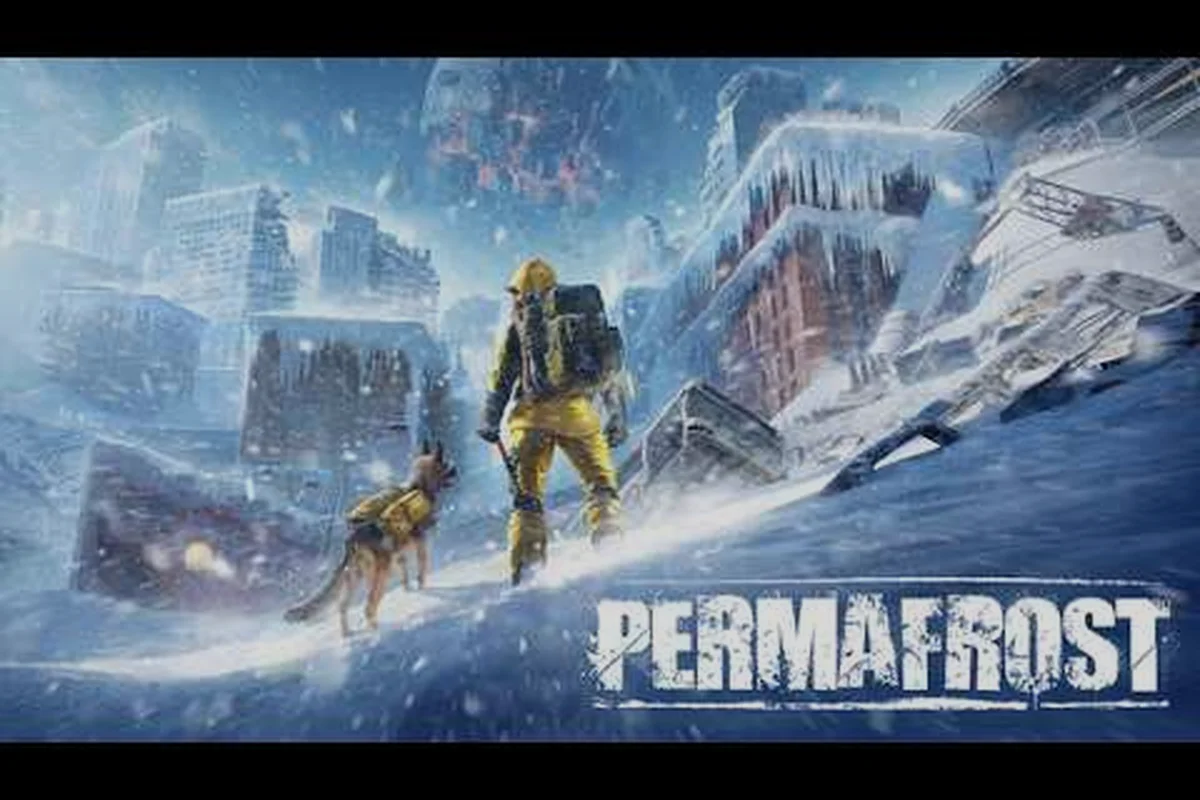
Surviving the frozen wasteland of Permafrost demands more than raw firepower, because the endless winter punishes every mistake with frostbite, exhaustion, and death. This permafrost weapons guide breaks down the exact tools, layered clothing, and cold weather gear that keep your Rook alive through blizzards, hostile wildlife, and the long trek toward that distant radio signal. Whether you are hunting scarce animals or defending against frozen threats, the right loadout separates a thriving engineer from another frozen corpse.
Weapon Tiers and Damage Profiles
Every weapon in Permafrost fills a specific role, and understanding those roles prevents wasted resources on gear that fails when temperatures drop. The game does not hand you a clear tier list, so community testing and early access reports shape the rankings below. According to the official Permafrost on Steam page, the world is built around scarcity, which means your first crafted weapon often remains relevant longer than you expect.
Melee Versus Ranged Tradeoffs
Melee weapons conserve ammunition and work reliably in close quarters, while ranged options let you engage threats before they close distance. The cold affects both, because frozen fingers slow reloads and heavy swings drain stamina faster. Players report that a balanced loadout works best for most expeditions, since you never know when a blizzard will force you into tight ruins or open ice fields.
| Weapon Type | Damage Output | Stamina Cost | Best Use Case | Durability |
|---|---|---|---|---|
| Improvised Spear | Moderate | Low | Early hunting, keeping distance | Low |
| Reinforced Axe | High | High | Close combat, breaking ice | Moderate |
| Hunting Bow | Moderate | Low | Silent ranged kills | Moderate |
| Scrap Firearm | Very High | Very Low | Emergency defense | Very Low |
The table above reflects community-reported values as of the early access launch, though exact numbers may shift with patches. Your choice should match the biome you plan to explore, because carrying a heavy axe through deep snow burns calories faster than a lighter spear.
Crafting Requirements and Material Sources
Crafting weapons requires scavenged components that appear in specific locations. The permafrost map guide details where to find scrap metal, cured wood, and synthetic fibers, which form the backbone of most early recipes. Without those materials, even the best blueprint remains useless.
-
Improvised Spear: requires 2 scrap metal, 1 cured wood, and cloth strips
-
Reinforced Axe: requires 4 scrap metal, 2 cured wood, and a binding agent
-
Hunting Bow: requires 3 cured wood, 1 synthetic fiber, and 2 cloth strips
-
Scrap Firearm: requires 5 scrap metal, 1 spring, and rare ammunition components
Material scarcity forces hard choices, because you cannot craft every weapon in a single run. Focus on one melee option and one ranged option first, then expand as your stockpile grows. The Improvised Spear is the most material-efficient early melee craft at only 2 scrap metal and 1 cured wood, leaving enough synthetic fiber for a Hunting Bow without forcing you to strip every abandoned shelter on the map. In contrast, rushing a Scrap Firearm early consumes 5 scrap metal plus a rare spring and ammunition components — resources better spent on the Reinforced Axe, whose 4 scrap metal investment pays off by opening frozen container caches that yield additional cured wood and binding agents. A practical priority order for most runs: craft the spear for reach and low cost, then the bow for silent ranged takedowns, and only commit to the firearm once you have located a spring and at least two ammunition caches on the permafrost map.
Cold Weather Clothing Layers
Clothing is not cosmetic in Permafrost, because every garment contributes to your warmth rating and determines how long you can survive outside. The permafrost clothing guide below explains why layering matters more than any single item, since the game models heat loss across your entire body rather than one equipment slot.
Warmth Rating and Layer Mechanics
Each clothing piece adds a warmth value, and those values stack when you wear compatible layers. The permafrost cold survival article covers how warmth interacts with the weather system, but the short version is simple: more layers mean more time before frostbite sets in. However, heavy clothing also increases stamina drain, so you must balance protection against mobility.
| Clothing Slot | Early Game Option | Mid Game Option | Late Game Option | Warmth Bonus |
|---|---|---|---|---|
| Head | Cloth Hood | Fur Hat | Insulated Balaclava | +2 to +8 |
| Torso | Patchwork Coat | Layered Parka | Thermal Expedition Suit | +5 to +15 |
| Legs | Cloth Pants | Insulated Trousers | Reinforced Snow Pants | +3 to +10 |
| Hands | Rag Gloves | Leather Mitts | Heated Gloves | +1 to +6 |
| Feet | Wrapped Boots | Fur-Lined Boots | Insulated Climbing Boots | +2 to +7 |
The numbers above come from community testing and may shift slightly between patches, but the upgrade path holds steady across versions. Torso and head slots deliver the highest warmth-per-material efficiency — a Layered Parka adds +10 warmth for roughly the same cloth and leather cost as two mid-tier hand or foot pieces combined, making it the single best early investment before your first deep permafrost expedition. Once those two slots are locked in, legs and feet become the next bottleneck because frostbite timers tick independently per body part, and exposed extremities fail faster than the core.
Best Clothing for Blizzard Expeditions
Blizzards are the deadliest weather event in Permafrost, and the permafrost best clothing for those conditions includes items with high wind resistance alongside raw warmth. Players report that the Thermal Expedition Suit outperforms every other torso option during storms, while the Insulated Balaclava prevents the rapid heat loss that kills unprepared Rooks.
-
Wind resistance reduces the extra cold penalty applied during blizzards
-
Water resistance prevents soaked clothing from draining warmth faster
-
Durability matters because frozen fabric tears easily under stress
When planning a long expedition, pack repair materials alongside your warm clothes, because damaged layers lose effectiveness quickly — a torn Thermal Expedition Suit can drop its wind resistance by up to 40% mid-blizzard, turning a survivable storm into a death sentence. The permafrost equipment repair guide explains how to keep your gear functional in the field, including which Permafrost-grade repair kits work on frozen fabric and how to prioritize fixes when multiple layers fail during a single storm cycle.
Weapon and Clothing Interactions in a Loadout
Your weapons and clothing do not exist in isolation, because the best permafrost gear guide considers how every piece interacts. A heavy firearm user needs different clothing than a spear hunter, since ammunition weight and stamina costs shift your mobility requirements. Planning a cohesive loadout prevents the frustration of freezing to death while carrying an unused weapon.
Weight Management and Stamina Efficiency
Every item in your inventory adds weight, and weight directly increases stamina drain during movement and combat. This matters most when sprinting across frozen lakes or dodging a charging Warden, because each kilogram over your comfort threshold compounds into slower stamina regen and shorter sprint bursts. The permafrost gear guide below shows how different loadouts compare, using community-reported values for a standard expedition. Use it as a baseline, then adjust for your own weapon choices — swapping a heavy two-handed maul for a lighter survival axe can drop your total weight enough to move up a full stamina tier without sacrificing much cold resistance.
| Loadout Style | Total Weight | Stamina Drain | Combat Effectiveness | Cold Resistance |
|---|---|---|---|---|
| Light Scout | Low | Low | Moderate | Low |
| Balanced Survivor | Moderate | Moderate | High | Moderate |
| Heavy Defender | High | High | Very High | High |
| Winter Specialist | Moderate | Moderate | Moderate | Very High |
The Balanced Survivor loadout works for most players because it keeps total weight near the Moderate threshold where stamina drain stays predictable — enough firepower for Warden encounters without the Heavy Defender's sprint penalty across frozen lakes. If you plan to explore deep cold zones like the Glacial Rift or Frostveil Depths, shift toward the Winter Specialist setup and accept lower combat output, since its Very High cold resistance lets you skip emergency heat sources that would otherwise add 3–5 kg to your pack and push you into a worse stamina tier.
Weapon and Clothing Pairing Examples
Specific pairings solve specific problems, and experienced players recommend these combinations for common scenarios. A Hunting Bow paired with the Layered Parka works well for silent hunting trips, while a Reinforced Axe and Thermal Expedition Suit suit aggressive exploration of frozen ruins.
-
Hunting loadout: Hunting Bow, Cloth Hood, Patchwork Coat, Wrapped Boots
-
Exploration loadout: Improvised Spear, Fur Hat, Layered Parka, Fur-Lined Boots
-
Combat loadout: Reinforced Axe, Insulated Balaclava, Thermal Expedition Suit, Heated Gloves
-
Emergency loadout: Scrap Firearm, any warm clothing available, minimal tools
Each pairing assumes you have access to the listed items, which may require significant scavenging. The permafrost tools and weapons list provides a complete breakdown of every craftable option and its material costs.
Advanced Cold Weather Strategies
Mastering the permafrost cold weather gear system requires more than equipping the warmest items, because environmental factors constantly shift your effective warmth. Wind chill, wetness, and time of day all modify how quickly your Rook loses heat, and smart players adapt their gear choices to those variables.
Reading Environmental Threats
The game displays environmental warnings, but understanding what those warnings mean for your gear saves lives. A clear day with moderate temperature might still drain warmth if you wear soaked clothing, while a mild snowfall can become deadly when wind picks up. Community reports emphasize that wind chill is the most underestimated threat, because it multiplies heat loss even when the base temperature seems manageable.
-
Clear and calm: lowest gear requirements, ideal for long expeditions
-
Overcast and breezy: moderate warmth needed, avoid exposed routes
-
Snowfall: high warmth needed, wetness becomes a factor
-
Blizzard: maximum warmth and wind resistance required, avoid travel
When caught in worsening conditions, seek shelter immediately rather than pushing forward, because no clothing set fully negates a severe blizzard. The Blizzard tier on the environmental threat scale demands maximum warmth and wind resistance, yet even a full cold weather gear loadout with top-tier insulation only slows the rate of wetness accumulation and heat loss — it cannot stop a whiteout from disorienting you or freezing exposed skin within minutes. Your gear buys time, but it does not make you invincible.
Repair and Maintenance in the Field
Frozen gear breaks faster than equipment used in temperate conditions, and a broken jacket during a storm is a death sentence. Carry repair kits and raw materials whenever possible, and check your clothing durability before every expedition. The permafrost equipment repair article covers repair mechanics in depth, but the core rule is simple: never leave base with damaged cold weather gear.
Community testing shows that most deaths in permafrost regions are not caused by combat but by exposure from neglected equipment. A torn parka loses warmth rapidly, and frozen boots cause frostbite that slows movement and accelerates further heat loss. Even a minor durability drop on thermal underlayers can reduce your cold resistance enough to trigger hypothermia during a blizzard, making weapon performance irrelevant if you cannot survive the environment.
Frequently Asked Questions
What is the best weapon for early game survival?
The Improvised Spear is the best early weapon because it requires minimal materials, offers decent reach, and conserves stamina during long hunts. Its low durability means you will craft replacements often, but the low material cost makes that sustainable until you find better blueprints.
How many clothing layers do I need for a blizzard?
You need at least three layers across your torso, head, and legs, with wind resistance on at least one piece. The Thermal Expedition Suit alone provides strong protection, but pairing it with an Insulated Balaclava and Insulated Trousers pushes your survival time from minutes to hours.
Does weapon choice affect my warmth rating?
No, weapons do not directly affect warmth, but heavy weapons increase stamina drain, which forces you to rest more often and spend more time exposed. A lighter weapon like the Hunting Bow lets you move faster between shelters, indirectly improving your cold survival.
Where can I find the best cold weather gear?
The best cold weather gear appears in late-game locations and requires rare materials like synthetic fibers and insulation. The permafrost map guide identifies high-tier loot zones, but expect to craft most top-tier clothing rather than find it ready-made.
Is the Scrap Firearm worth using despite its low durability?
Yes, the Scrap Firearm is worth carrying as an emergency weapon because its high damage can end a fight before it starts. Its very low durability means you should reserve it for life-threatening encounters, not routine hunting, and always carry a backup melee option.